

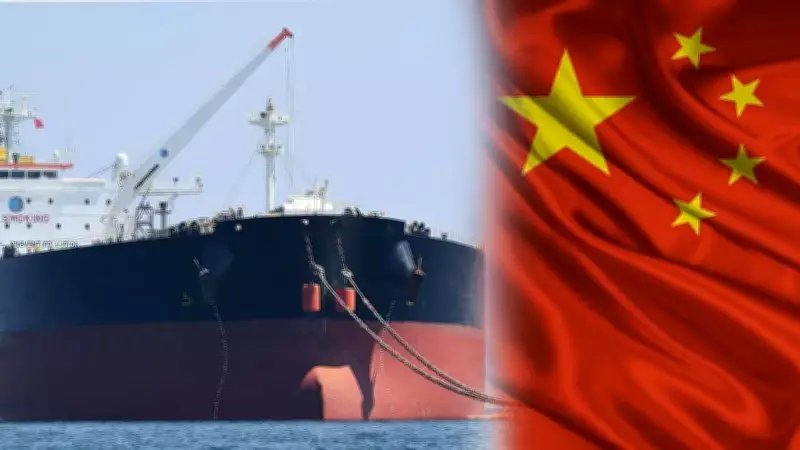
Sanctioned Tanker Carrying Iranian Crude Diverts From India To China
A US-sanctioned oil tanker, the Ping Shun, has abruptly changed its destination from India to China, disrupting what could have been a significant energy import for India. The vessel was transporting Iranian crude oil and was initially bound for Vadinar port in Gujarat, India.
Payment Complications Likely Cause Of Diversion
The diversion appears to be driven by tighter payment terms that shifted from deferred credit to upfront settlement. This change made the transaction financially challenging, as Iran remains excluded from the SWIFT global banking network due to US sanctions. The move highlights the ongoing difficulties in conducting international trade with Iran under current restrictions.
Missed Opportunity For India's Energy Security
This shipment could have marked India's first import of Iranian oil in nearly seven years, a potential boost to the country's energy diversification efforts. The timing is notable, as it occurred during a temporary US sanctions waiver that allowed limited purchases of Iranian oil already at sea. However, the financial hurdles proved insurmountable, leading to the rerouting of the cargo to China instead.

Broader Implications For Global Oil Trade
The incident underscores the complex interplay between geopolitics, sanctions, and global energy markets. Key points include:
- The persistent challenges in payment mechanisms for Iranian oil exports.
- India's continued efforts to secure diverse energy sources amid fluctuating international relations.
- The impact of US foreign policy on trade routes and bilateral agreements.
As nations navigate these turbulent waters, such diversions may become more common, affecting global supply chains and diplomatic ties. The Ping Shun's course change serves as a stark reminder of how financial and political constraints can swiftly alter trade dynamics in the oil sector.






