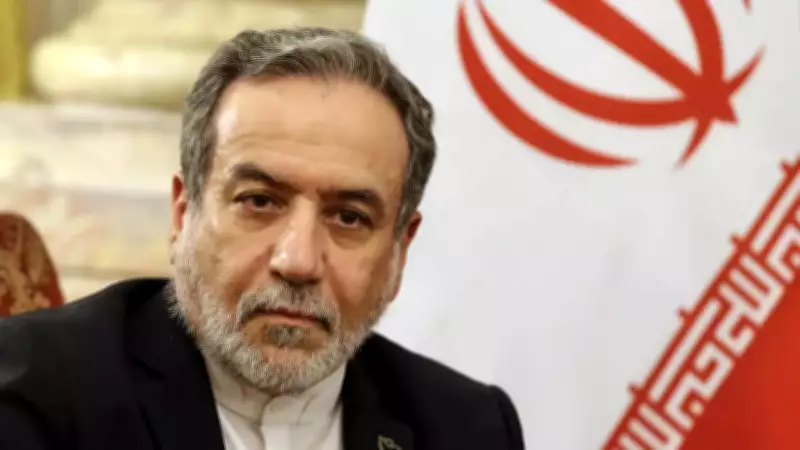
Iran's Foreign Minister Departs for Geneva to Resume Indirect Nuclear Negotiations with the United States
Iran's Foreign Minister Abbas Araghchi left Tehran on Sunday, heading to Geneva to participate in the second round of indirect nuclear negotiations with the United States, as confirmed by Iranian state media and AFP. The diplomatic mission aims to address ongoing tensions over Iran's nuclear program, with Oman mediating the discussions.
Details of the Diplomatic Mission and Upcoming Talks
Araghchi is leading a diplomatic and technical delegation to Geneva, where indirect Iran-US nuclear talks are scheduled for Tuesday, facilitated by Oman's mediation. This follows an initial round held in Muscat on February 6, which resumed negotiations after earlier efforts collapsed in June due to regional conflicts involving Israel and US strikes on Iranian nuclear facilities.
During his visit, Araghchi is expected to meet with Swiss and Omani counterparts, as well as Rafael Grossi, head of the International Atomic Energy Agency, and other international officials. Switzerland has represented US interests in Iran since diplomatic ties were severed after the 1980 hostage crisis.

Heightened Tensions and Stakes in the Negotiations
The renewed engagement occurs amid escalating tensions, with US President Donald Trump warning of potential military action if Iran does not curb its nuclear activities. In response, Iran has threatened retaliation, and Gulf Arab states have cautioned that escalation could spark a wider regional conflict. Tehran has indicated a willingness to scale down its nuclear program if the US lifts sanctions, but the Trump administration insists on halting all uranium enrichment—a demand Iran rejects, maintaining its program is for peaceful purposes despite past enrichment to 60% purity, near weapons-grade levels.
Economic Implications and Previous Negotiations
Iranian deputy foreign minister Hamid Ghanbari emphasized that Tehran seeks a deal offering economic benefits for both countries, particularly in sectors like aviation, mining, and oil and gas. He stated that for any agreement to be viable, the United States must also gain from areas with strong economic return potential. In the February 6 talks, Araghchi led the Iranian delegation in discussions with US Middle East envoy Steve Witkoff and Jared Kushner, Trump's son-in-law, highlighting the high-level nature of these negotiations.
The outcome of these talks could significantly impact regional stability and international relations, as both sides navigate complex diplomatic and security challenges.