

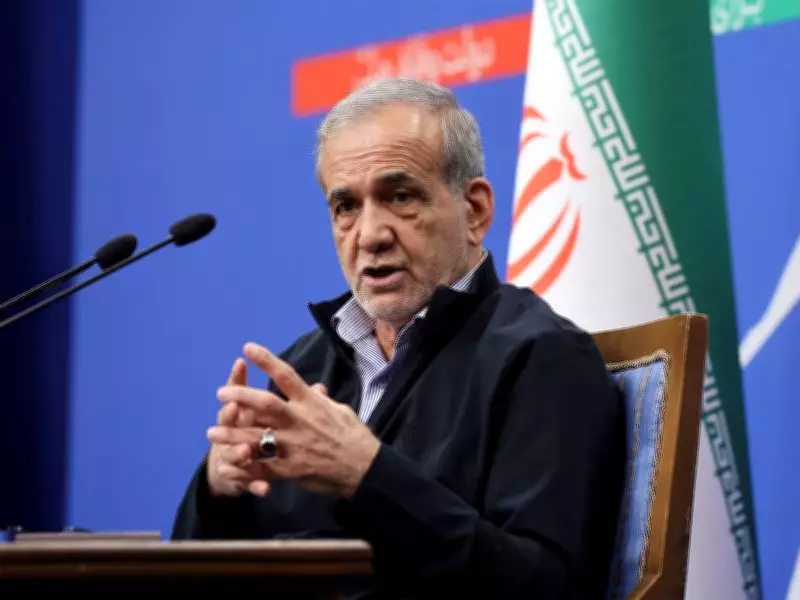
Iran's President Calls for US to Shift from Totalitarianism to Enable Agreement
In a significant statement on international diplomacy, Iranian President Masoud Pezeshkian has asserted that pathways to reaching an agreement can be established if the United States moves away from totalitarian approaches. This remark underscores ongoing tensions and the potential for renewed dialogue between the two nations, which have been at odds over various geopolitical issues, including nuclear negotiations and regional conflicts.
Pezeshkian's Emphasis on Mutual Respect and Dialogue
President Pezeshkian highlighted that the key to resolving disputes lies in abandoning totalitarian tactics, which he implied are currently hindering progress. He stressed the importance of mutual respect and constructive engagement, suggesting that a shift in US policy could pave the way for fruitful negotiations. This perspective aligns with Iran's longstanding call for equitable treatment in international affairs, particularly in the context of the Joint Comprehensive Plan of Action (JCPOA) and other diplomatic frameworks.
Context of US-Iran Relations and Global Implications
The relationship between the United States and Iran has been marked by decades of hostility, with recent years seeing fluctuations under different administrations. Pezeshkian's comments come at a time when both countries are navigating complex challenges, such as economic sanctions, regional proxy wars, and nuclear proliferation concerns. His statement may signal Iran's willingness to engage in talks if the US adopts a more collaborative stance, potentially impacting global stability and Middle Eastern dynamics.

If the US heeds this call, it could lead to renewed diplomatic efforts, possibly reviving the nuclear deal or addressing other contentious issues. However, skepticism remains high, given historical mistrust and divergent interests. International observers are closely watching for any signs of policy shifts, as such developments could influence alliances and security arrangements worldwide.
Future Prospects for Bilateral EngagementMoving forward, the ball appears to be in the US court, according to Pezeshkian's framing. Success will depend on both sides demonstrating flexibility and a genuine commitment to dialogue, rather than unilateral demands. This situation highlights the broader theme of how superpowers interact with nations they perceive as adversaries, and whether diplomacy can prevail over coercion in the modern geopolitical landscape.






