Iran's President Pezeshkian Pens Open Letter to American Public, Questions War Motives
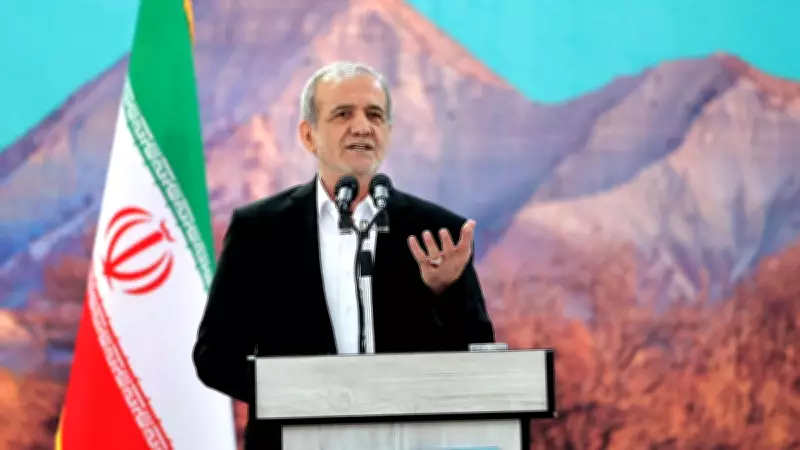
In a significant diplomatic outreach, Iran's President Masoud Pezeshkian has authored an open letter directly addressing the people of the United States. The letter, shared on social media platform X, carries a poignant message: "Iran harbors no enmity towards the American people." This move comes amid ongoing tensions between the two nations, with Pezeshkian seeking to bridge the gap through public communication.
Assertion of Iran's Peaceful Intentions
President Pezeshkian firmly stated that Iran does not constitute a security threat to the United States or its allies. He emphasized that such claims are inconsistent with Iran's historical reality, pointing to the country's long-standing cultural and civilizational heritage. The Iranian leader argued that portraying Iran as a menace is a misrepresentation that fuels unnecessary hostility.
Critical Question on War Interests
A central theme of the letter is Pezeshkian's direct inquiry: "Which interests are being served by war?" This rhetorical question challenges the underlying motivations for potential or existing conflicts between Iran and the United States. Pezeshkian implies that war benefits certain parties while harming ordinary citizens on both sides, urging the American public to reflect on this dynamic.

The letter, dated April 1, 2026, and published on April 2, 2026, at 04:27 IST, represents a strategic effort to bypass governmental channels and appeal directly to American society. By doing so, Pezeshkian aims to foster a people-to-people dialogue that could pressure policymakers towards de-escalation.
Context and Implications
This open letter follows a period of heightened geopolitical friction, including sanctions, regional proxy conflicts, and nuclear negotiations. Pezeshkian's approach highlights a shift towards soft diplomacy, leveraging public sentiment to influence international relations. Experts note that such gestures, while symbolic, can create openings for more substantive talks if reciprocated.
The Iranian president's message underscores a desire for peaceful coexistence, rejecting the narrative of inevitable confrontation. It calls for a reevaluation of policies driven by mutual suspicion, advocating instead for cooperation based on shared human values. As global attention turns to this development, the response from the U.S. public and government will be closely watched for signs of thawing relations or continued stalemate.