

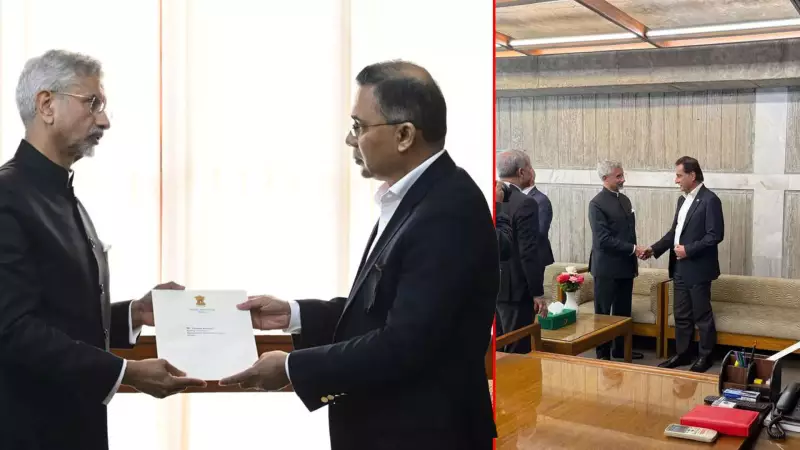
In a significant diplomatic engagement, India's External Affairs Minister, Dr. S. Jaishankar, personally handed over a letter from Prime Minister Narendra Modi to Bangladesh Nationalist Party (BNP) Chairman, Tarique Rahman, during a meeting in Dhaka. The high-level interaction took place against the backdrop of the recent passing of former Bangladesh Prime Minister and BNP leader, Begum Khaleda Zia.
A Meeting of Diplomatic Significance
The meeting between India's top diplomat and the acting chief of Bangladesh's principal opposition party marks a notable moment in the complex political landscape of India-Bangladesh relations. Dr. Jaishankar, who was in Dhaka on an official visit, made time to meet Tarique Rahman at his residence. The central element of this engagement was the formal handover of a personal letter penned by Prime Minister Narendra Modi addressed to the BNP leader.
While the full contents of the letter have not been made public, diplomatic sources indicate it contained condolences on the demise of his mother, Khaleda Zia, and expressed PM Modi's sympathies to the Rahman family. Beyond the condolences, the communication is understood to have touched upon the broader context of the enduring people-to-people ties between India and Bangladesh.

Context: The Passing of a Political Icon
This diplomatic gesture is set against the somber event of Begum Khaleda Zia's funeral. The former Prime Minister, a towering figure in Bangladeshi politics and a two-time head of government, passed away recently, drawing national mourning. Her son, Tarique Rahman, who lives in exile in London, serves as the Chairman of the BNP and is considered the party's supreme leader.
The decision by the Indian government, through its External Affairs Minister, to directly engage with the opposition leader during a period of personal and political significance underscores a nuanced approach. It highlights India's intent to maintain constructive channels with all major political stakeholders in Bangladesh, a key neighbor and strategic partner in South Asia.
Implications for Bilateral Relations
Analysts view this move as part of India's continued diplomatic outreach to ensure stable and friendly relations across the political spectrum in Dhaka. The meeting, though brief and condolence-centric, carries symbolic weight. It demonstrates a level of official recognition and engagement with the BNP leadership at a senior level.
For Tarique Rahman and the BNP, receiving a personal letter from the Indian Prime Minister via the EAM is a moment of diplomatic significance. It comes at a time when the party is navigating its future after the loss of its paramount leader, Khaleda Zia. The Indian gesture is likely to be seen as an affirmation of the importance of the relationship that transcends the immediate political cycle.
Dr. Jaishankar's visit to Dhaka, which included this meeting, was primarily focused on bilateral discussions with the current Bangladeshi government led by Prime Minister Sheikh Hasina. The engagement with the opposition, therefore, presents a balanced diplomatic posture, emphasizing that India's foreign policy prioritizes long-term national and regional interests alongside stable neighborly relations.
In conclusion, the handover of PM Modi's letter to Tarique Rahman by EAM Jaishankar is more than a protocol-driven condolence message. It is a carefully calibrated diplomatic act that acknowledges personal loss while subtly reinforcing India's commitment to engaging with all pillars of Bangladeshi polity. As both nations continue to navigate their deeply intertwined destinies, such gestures contribute to the foundational people-centric ethos of the relationship.






