

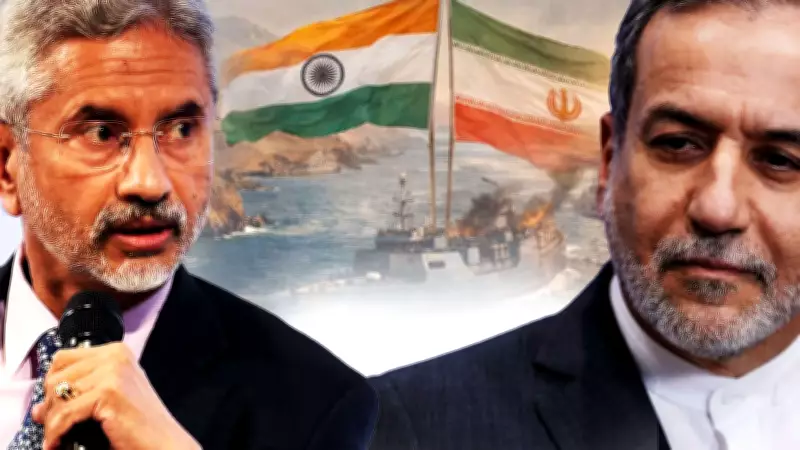
India Clarifies Position on Strait of Hormuz Passage Amid Regional Tensions
External Affairs Minister Subrahmanyam Jaishankar has categorically denied the existence of any secret or blanket arrangement with Iran that guarantees safe passage for Indian vessels through the strategically vital Strait of Hormuz. This clarification comes at a time of heightened geopolitical friction in the region, particularly between Iran and the United States.
Diplomatic Channels, Not Pre-Arranged Deals
Addressing recent speculation, Jaishankar emphasized that India does not operate under a fixed, overarching agreement with Tehran concerning maritime transit through this critical chokepoint. Instead, the passage of each Indian commercial ship is managed on a case-by-case basis through established diplomatic communication channels between the two nations.
"Our engagements with Iran are continuous and are rooted in a long-standing history of bilateral relations," Jaishankar stated, underscoring the dynamic nature of these diplomatic interactions.

Context of Recent Transits and Broader Implications
The minister's remarks follow the safe transit of two Indian-flagged liquefied petroleum gas (LPG) carriers through the strait during a period of escalated tensions. The Strait of Hormuz is a narrow sea lane through which approximately one-fifth of the world's oil passes, making it a focal point of international energy security and geopolitical strategy.
Concurrently, US President Donald Trump has announced the deployment of additional naval forces to the area, aiming to secure the waterway and ensure the free flow of commerce. This move adds another layer of complexity to the regional security landscape.
Critical Importance for India's Energy Security
For India, a nation that imports substantial volumes of its energy requirements—including oil and natural gas—from the Gulf region, maintaining open and secure access to the Strait of Hormuz is paramount to national energy security. Any disruption in this route could have significant economic and strategic repercussions.
Jaishankar's clarification serves to delineate India's diplomatic approach: relying on proactive and situation-specific dialogue with Iran rather than depending on any presumed, fixed security pact. This strategy aims to navigate the volatile regional dynamics while safeguarding India's crucial energy imports and broader national interests.






