

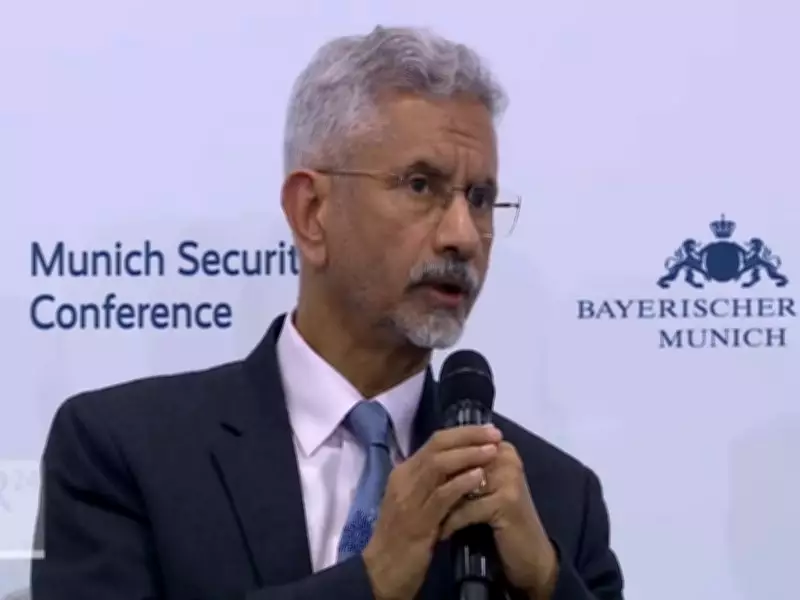
Jaishankar Attributes IMEC's Slow Progress to West Asia Conflict, Highlights Sustained Interest
External Affairs Minister S. Jaishankar has pointed to the ongoing conflict in West Asia as a primary reason for the sluggish advancement of the India-Middle East-Europe Economic Corridor (IMEC). In a recent statement, he emphasized that despite these challenges, there remains a strong and sustained interest from both Europe and India in seeing the ambitious project through to completion.
Conflict in West Asia Hinders Corridor Development
Jaishankar explained that the volatile situation in West Asia has created significant obstacles for the IMEC, a strategic initiative aimed at enhancing connectivity and economic integration between India, the Middle East, and Europe. The corridor, which was announced with much fanfare, has faced delays due to geopolitical tensions and security concerns in the region. He noted that such conflicts inevitably impact large-scale infrastructure projects, requiring careful navigation and diplomatic efforts to move forward.
Sustained European and Indian Commitment to IMEC
Despite the slow progress, Jaishankar reassured that interest in the IMEC has not waned. He highlighted that both European nations and India are deeply committed to the corridor's success, viewing it as a crucial element for fostering trade, investment, and regional stability. The minister underscored that this sustained enthusiasm reflects a shared vision for a more interconnected and prosperous economic landscape, with the IMEC serving as a key pillar in strengthening bilateral and multilateral ties.

Implications for Global Trade and Diplomacy
The IMEC is envisioned as a transformative project that could reshape global trade routes by linking India to Europe via the Middle East, bypassing traditional maritime chokepoints. Jaishankar's comments come at a time when geopolitical dynamics are increasingly influencing economic initiatives. He stressed that while conflicts pose temporary setbacks, the long-term benefits of the corridor—such as enhanced supply chain resilience and economic growth—continue to drive collective efforts. The minister called for patience and perseverance, asserting that diplomatic dialogues and collaborative planning are ongoing to overcome current hurdles.
In summary, Jaishankar's remarks shed light on the complex interplay between geopolitics and economic development. The IMEC's slow progress, attributed to the West Asia conflict, is tempered by unwavering interest from Europe and India, signaling a resilient commitment to advancing this pivotal corridor despite regional challenges.






