

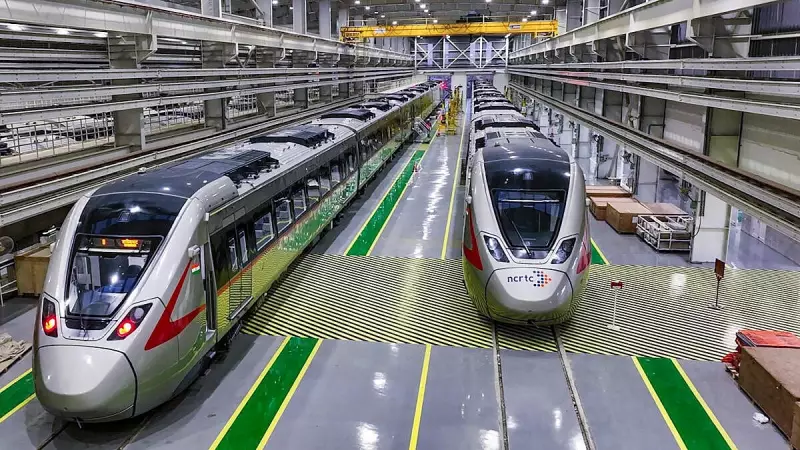
Kerala Government Announces State-Run RRTS Following SilverLine Project Collapse
The Pinarayi Vijayan-led government in Kerala has taken a decisive step to counter the Centre by announcing a state-run Regional Rapid Transit System (RRTS). This move comes as a direct response to the collapse of the ambitious K-Rail SilverLine project, which faced insurmountable hurdles from the Indian railways.
Official Statement Reveals Railway Objections
A statement issued from the chief minister's office has provided clarity on the situation. According to the official communication, the K-Rail SilverLine project could not proceed further due to the Indian railways' refusal to grant approval. The railways cited technical reasons for their decision, effectively halting what was envisioned as a transformative infrastructure initiative for the state.
From SilverLine to State-Run RRTS
With the SilverLine project now officially shelved, the Kerala government is pivoting to an alternative approach. The newly announced state-run RRTS represents a strategic shift in transportation planning, with the state taking full control of the rapid transit initiative. This development marks a significant moment in Kerala's infrastructure development journey and reflects the state government's determination to push forward with modern transit solutions despite federal-level obstacles.

The transition from the SilverLine project to the state-run RRTS highlights several important aspects of infrastructure development in India:
- Federal-State Dynamics: The situation underscores the complex relationship between state and central governments in infrastructure projects
- Technical Considerations: Railway approvals involve detailed technical assessments that can significantly impact project viability
- Alternative Approaches: State governments are exploring independent transit solutions when central approvals prove challenging
- Infrastructure Priorities: Rapid transit systems remain a crucial focus for urban and regional development in growing states
Looking Ahead: Implications and Expectations
As Kerala moves forward with its state-run RRTS plan, several questions emerge about implementation, funding, and coordination with existing transport networks. The state government's ability to execute this ambitious project independently will be closely watched by other states facing similar challenges with central approvals. This development also raises important discussions about transportation policy, inter-governmental cooperation, and the future of rapid transit systems across India's diverse states.
The announcement represents more than just a change in project name or management structure. It signals a potential shift in how states approach large-scale infrastructure development when faced with federal-level obstacles. As details emerge about the state-run RRTS plan, stakeholders across transportation, urban planning, and governance sectors will be monitoring how Kerala navigates this new path forward in regional transit development.






