

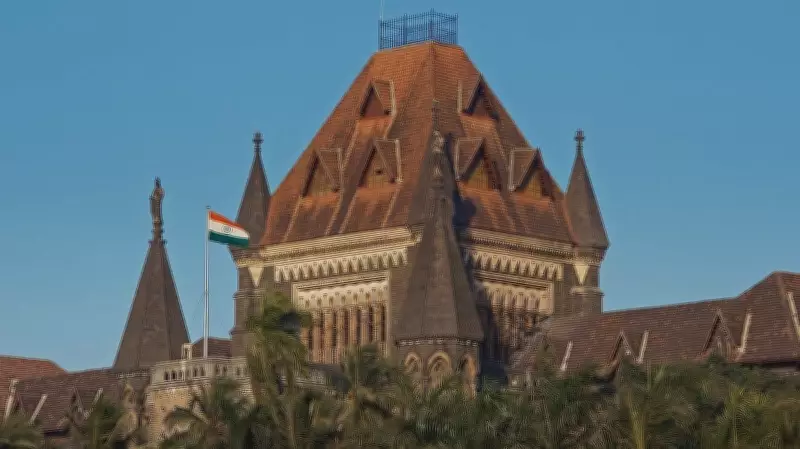
Family of India's First West Asia Conflict Victim Moves Bombay High Court
The father of India's first victim in the ongoing West Asia conflict has taken legal action by filing a petition in the Bombay High Court. This move aims to secure the return of his son's mortal remains, highlighting significant delays and a lack of clear communication from government authorities.
Petition Seeks Urgent Repatriation of Remains
Amratlal Solanki, the father of the deceased, has formally requested the court to direct the Union government to expedite the repatriation process. In the petition, he expressed deep frustration over the persistent lack of clarity and transparency from officials regarding the status of his son's remains. The family has been awaiting updates for an extended period, with no concrete information provided, leading to emotional distress and uncertainty.
Background of the Case
The victim, whose identity has been confirmed as a casualty in the West Asia conflict, represents a tragic milestone as India's first loss in this regional turmoil. The conflict, which has escalated in recent months, has drawn international attention and involved multiple nations. The Solanki family's plight underscores the broader humanitarian challenges faced by affected families, who often struggle with bureaucratic hurdles in such crises.

According to sources, the petition emphasizes the urgent need for governmental intervention to ensure the dignified return of the mortal remains. It argues that the delay not only violates the family's rights but also reflects poorly on India's diplomatic and consular response mechanisms in conflict zones.
Legal and Diplomatic Implications
The Bombay High Court is expected to review the petition shortly, with potential implications for how India handles similar cases in the future. Legal experts suggest that this case could set a precedent for faster and more transparent processes in repatriating citizens' remains from conflict areas. Additionally, it may prompt the government to reassess its protocols for assisting families during international crises.
In response to queries, authorities have acknowledged the petition but have not provided specific details on the repatriation timeline. The Union government is likely to file a response in court, outlining steps taken so far and any planned actions to address the family's concerns.
Family's Emotional Appeal
Amratlal Solanki, in a statement, appealed for compassion and swift action, stating that the uncertainty has compounded their grief. The family hopes that the court's intervention will bring closure and allow them to perform last rites according to their traditions. This case has also sparked discussions among advocacy groups about the need for better support systems for families of victims in foreign conflicts.
As the legal proceedings unfold, the Solanki family remains hopeful for a positive outcome. The Bombay High Court's decision could mark a significant step in ensuring that Indian citizens affected by global conflicts receive timely and respectful assistance from their government.






