

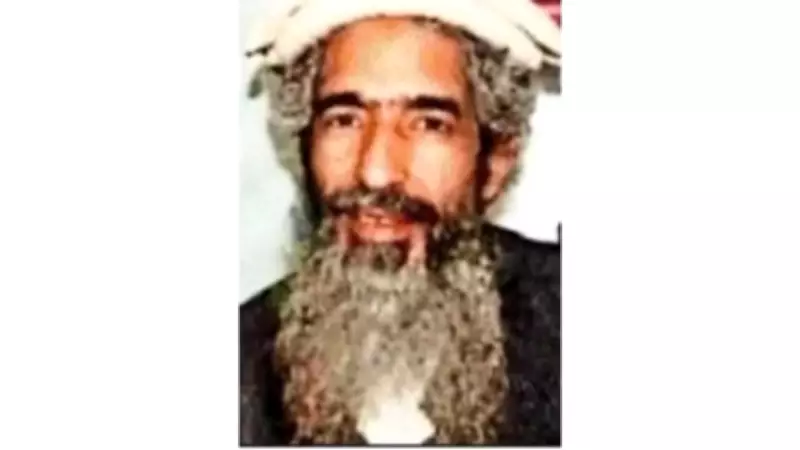
Lashkar-e-Taiba Co-Founder Amir Hamza Targeted in Lahore Shooting
In a dramatic escalation of mysterious attacks on high-profile terror figures in Pakistan, Amir Hamza, the 67-year-old co-founder of the banned militant group Lashkar-e-Taiba (LeT), was shot by unidentified gunmen in Lahore on Thursday. This incident represents the second assassination attempt on Hamza, a US-designated global terrorist, within the past year, following a previous shooting in May 2025 that he survived.
Details of the Attack and Bollywood Parallel
The assault unfolded when Hamza, accompanied by Judge Nazir Ahmad Ghazi, exited the office of News 24 (Pakistan) after a television appearance. Two motorcycle-borne assailants, believed to be locals familiar with the area's layout, opened fire on his vehicle near a bus stop before swiftly escaping the scene. Hamza sustained a gunshot wound to his shoulder and was promptly rushed to a hospital for medical treatment.
Intriguingly, the attack bore a striking resemblance to a sequence in the Bollywood blockbuster 'Dhurandhar 2,' which depicted the killing of a character named Zahoor Mistry in Karachi by motorcycle-borne gunmen. This cinematic parallel has sparked discussions about the real-life imitation of fictional narratives in regional conflicts.

Hamza's Terrorist Background and Historical Context
Amir Hamza has a long and notorious history in militant activities. In the early 2000s, he was entrusted with establishing Lashkar-e-Taiba bases in India. He is allegedly implicated in the 2005 attack on the Indian Institute of Science in Bengaluru, a significant terror incident that shook the region.
Designated as a global terrorist by the United States in 2012, Hamza is closely associated with other top LeT figures, including Hafiz Saeed and Abdul Rehman Makki, who appointed him to the group's central committee. Often referred to as 'Afghan Mujahideen,' he played a pivotal role in maintaining LeT's relations with other militant organizations under Hafiz Muhammad Saeed's guidance.
Recent Tensions and Security Concerns
This attack occurs against a backdrop of heightened tensions within Lashkar-e-Taiba. Top commanders have recently issued video messages vowing revenge for the destruction of their Muridke camp during last year's Operation Sindoor. The shooting follows a series of killings targeting LeT and Jaish-e-Mohammed terrorists in recent months, indicating a possible pattern of internal or external targeting.
The political wing of Lashkar-e-Taiba, the Pakistan Muslim Milli League (PMML), strongly condemned the attack, attributing it to a failure of the Pakistani government's security apparatus. A letter seeking enhanced security for key figures was signed by prominent LeT commanders, including Saifullah Kasuri, Hafiz Talha Saeed, and Hafiz Abdul Rauf.
They emphasized Hamza's role in unifying individuals from diverse ideological backgrounds under the platform of Tehreek-e-Hurmat-e-Rasool, highlighting his influence within extremist circles.
Organizational Shifts and US Treasury Insights
According to the US Treasury Department, Hamza actively managed Lashkar-e-Taiba's alliances with other militant groups. In 2018, following bans on LeT and its front organization Jamat-ud-Dawah, Hafiz Saeed instructed Hamza to form a new outfit named Jaish-e-Manqafa, demonstrating his continued strategic importance within the terror network.
This incident underscores the volatile security situation in Pakistan and the ongoing threats faced by high-profile terror ideologues. As investigations proceed, the motives behind this and similar attacks remain shrouded in mystery, raising questions about potential internal rivalries, external interventions, or coordinated efforts to destabilize militant infrastructures.






