Ludhiana's Carcass Plant Relocation Hits Roadblocks
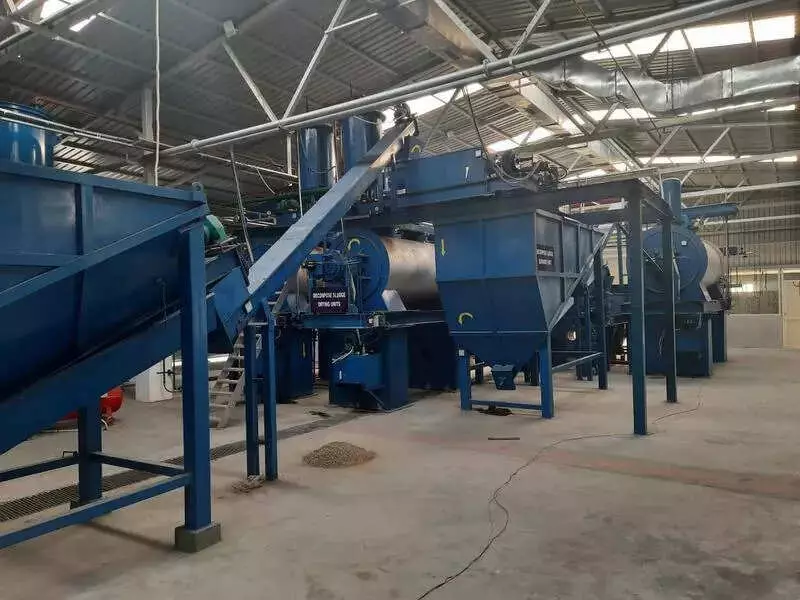
Hectic negotiations have failed to resolve the relocation of a carcass plant in Nurpur Bet village. This facility has remained non-functional for many years due to strong opposition from local residents.
NGT Demands Action Amid Growing Pressure
In a report submitted to the National Green Tribunal, the deputy commissioner acknowledged ongoing efforts to find a suitable location. Officials requested additional time to complete this challenging task.
The Punjab government's affidavit revealed startling numbers. Every month, the state generates 24,116 cattle carcasses. Currently, 5,541 "hadda rodies" operate across Punjab to handle this volume.

The National Green Tribunal has scheduled the next hearing for April 15. During previous proceedings, the tribunal imposed a Rs 50,000 penalty on the state government for delays. Authorities confirmed payment through the municipal commissioner's office.
Site Selection Process Faces Multiple Hurdles
Officials conducted several meetings to comply with NGT directives. The first significant meeting occurred on October 23, 2025. Participants identified six potential relocation sites:
- Garhi Fazal
- Haider Nagar
- Salempur
- Garcha Sekhowal
- Sailkiana
A detailed feasibility report followed on October 24, 2025. Analysis showed Salempur village offered the most promising location, subject to specific conditions. However, negotiations with Salempur residents stalled when they objected to the proposed plant relocation.
Another crucial meeting took place on November 28, 2025. Stakeholders from multiple agencies participated, including:
- Municipal Corporation officials
- Punjab Pollution Control Board representatives
- Greater Ludhiana Area Development Authority (GLADA) members
- District Town Planner office staff
During this session, the Municipal Corporation suggested three additional sites near existing sewage treatment plants. These included locations at Balloke, Bhattian, and Jamalpur.
Formation of Joint Inspection Committee
On December 29, 2025, authorities established a joint committee to evaluate the new sites. This panel included representatives from:
- GLADA Chief Administrator
- Municipal Commissioner of Ludhiana
- Sub-divisional Magistrates from Ludhiana East and West
- District Town Planner of Ludhiana
- Environmental Engineer from Punjab Pollution Control Board
The committee received instructions to conduct thorough site inspections and submit detailed feasibility reports. These documents would help determine compliance with tribunal directions.
Detailed Inspection Findings Emerge
Joint inspections proceeded at all three proposed locations. On January 7, the sub-divisional magistrate from Ludhiana East submitted findings for the Jamalpur site.
The Jamalpur location covers approximately two acres. It sits adjacent to the municipal corporation's garbage dump and a 225 MLD sewage treatment plant. Previously designated for sludge drying beds, the area currently remains vacant.
Master plan documents show the site earmarked as "sewage treatment plant." Surrounding zones fall under industrial categories. Inspectors confirmed the location meets Pollution Control Board norms for carcass plant establishment.
However, Municipal Corporation officials noted complications. The land already received allocation for a cow dung management project. Additionally, regulations require maintaining a 500-meter distance from Buddha Dariya.
The same day, Ludhiana West's sub-divisional magistrate submitted reports for Balloke and Bhattian sites. At Bhattian, two acres of land stand vacant currently. Lagoons from the sewage treatment plant sit behind this location.
Residential areas begin just 170 meters from the Bhattian site. Approximately fifteen houses occupy one side. More than fifty houses surround all four sides within 350 meters. Bhattian village itself lies about 350 meters away.
Public Works Department officials indicated this land was reserved for sludge storage from drying beds.

The Balloke site also offers two vacant acres. Around forty houses sit within 120 meters. More than fifty additional houses exist within 400 meters. Balloke village maintains a distance of approximately 450 meters from the proposed location.
Current Status and Future Steps
The deputy commissioner confirmed all inspection reports now undergo active consideration. District administration officials examine these documents carefully. They consult regularly with multiple agencies:
- Ludhiana Municipal Corporation
- Punjab Pollution Control Board
- Greater Ludhiana Area Development Authority
- Other statutory authorities
Authorities emphasize their commitment to finding a solution that satisfies several criteria. Any final decision must ensure environmental compliance, technical viability, and social acceptance. Officials promise strict adherence to National Green Tribunal directives.
The administration has formally requested reasonable additional time. They cite the complex evaluation process and necessary stakeholder consultations. Finalizing a suitable alternative site requires careful deliberation given the sensitive nature of this project.
Meanwhile, the original carcass plant at Nurpur Bet remains completely non-operational. Villagers' opposition continues preventing any reactivation at the current location. The clock ticks toward the April 15 hearing date when the National Green Tribunal will expect substantial progress.