

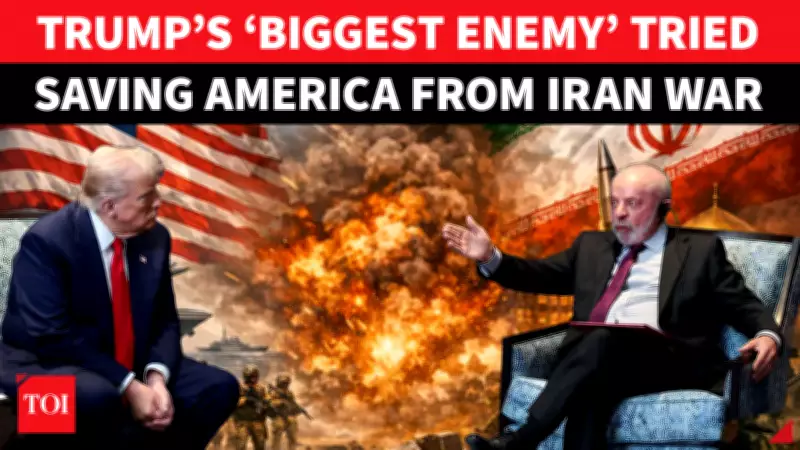
Brazilian President Luiz Inacio Lula da Silva has delivered a sharp rebuke to Donald Trump over the ongoing conflict with Iran, reportedly confronting the former U.S. president in a White House meeting that has now come to light. According to a report by The Washington Post, Lula handed Trump a copy of the 2010 Tehran Nuclear Declaration during their exchange, a landmark agreement brokered by Brazil and Türkiye under which Iran had agreed to ship its uranium abroad for processing.
Lula’s Diplomatic Offensive
In the confrontation, Lula directly challenged Trump’s confrontational approach to foreign policy, arguing that the current war with Iran is failing on multiple fronts. The Brazilian leader pointed out that the conflict is placing an undue burden on ordinary American citizens, who are grappling with soaring fuel costs and the broader economic chaos triggered by disruptions in the Strait of Hormuz, a critical waterway for global oil shipments.
Lula’s intervention underscores his longstanding role as a mediator in international disputes. The 2010 Tehran Nuclear Declaration was a key diplomatic effort that sought to reduce tensions over Iran’s nuclear program, and Lula’s decision to revive it in his discussion with Trump signals a plea for a return to negotiated solutions rather than military confrontation.

The Stakes for Global Stability
The Strait of Hormuz has become a flashpoint in the conflict, with rising instability threatening energy markets worldwide. Lula’s warning highlights the direct impact on American households, as fuel prices continue to climb amid the turmoil. The Brazilian president’s message was clear: war is not the answer, and diplomatic off-ramps still exist if leaders are willing to pursue them.
As the conflict drags on, the question remains whether Trump will heed the advice of a veteran statesman like Lula or continue down a path that many critics say has only deepened the crisis. The revelation of this White House clash adds a new dimension to the ongoing debate over U.S. foreign policy in the Middle East.






