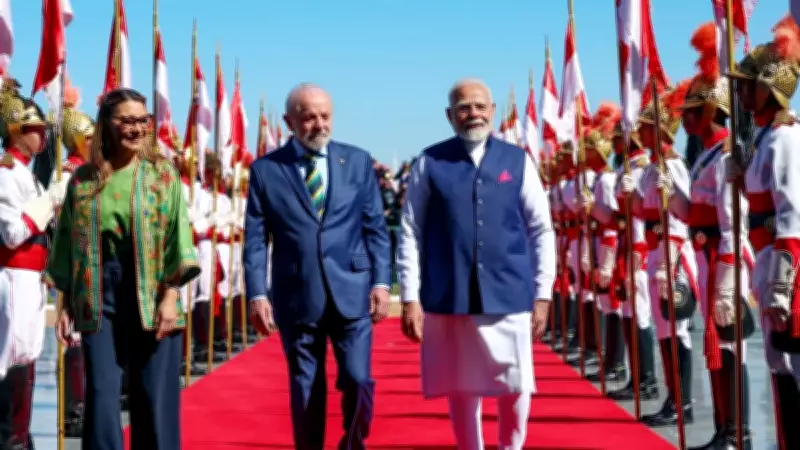
Lula's Strategic Visit to India: A New Chapter in Bilateral Relations
Brazilian President Luiz Inácio Lula da Silva's recent visit to New Delhi marks a significant milestone in the evolving relationship between India and Brazil. This high-level diplomatic engagement comes at a crucial juncture, as both nations navigate the complexities of the global economic landscape, particularly in the context of trade tensions and tariff policies reminiscent of the Trump era. The visit underscores a mutual commitment to deepening strategic ties across multiple sectors.
Strengthening Economic and Trade Partnerships
One of the primary focuses of President Lula's visit was to bolster economic cooperation between India and Brazil. Both countries are major emerging economies with substantial trade potential. Discussions centered on enhancing bilateral trade volumes, which have seen fluctuations in recent years. Key areas of interest include agriculture, pharmaceuticals, and information technology. The leaders emphasized the need to diversify trade baskets and reduce dependency on traditional markets, especially amid uncertainties posed by protectionist tariffs in other regions.
Defense and Security Collaborations

Defense cooperation emerged as a critical pillar of the strategic dialogue. India and Brazil explored opportunities for joint ventures in defense manufacturing and technology transfer. This includes potential collaborations in aerospace, naval systems, and cybersecurity. Such partnerships aim to enhance self-reliance and strengthen national security frameworks for both nations, aligning with their broader goals of technological sovereignty.
Climate Change and Sustainable Development
Environmental sustainability and climate action were high on the agenda. As leading voices from the Global South, India and Brazil reaffirmed their commitment to the Paris Agreement and discussed collaborative initiatives in renewable energy, forest conservation, and green technology. The visit highlighted shared concerns over climate justice and the importance of equitable global climate policies, particularly in light of historical emissions from developed nations.
Countering Global Trade Pressures
The timing of Lula's visit is particularly noteworthy, as it occurs against the backdrop of lingering trade tensions from the Trump administration's tariff policies. Both India and Brazil have faced challenges from protectionist measures in key markets, making this partnership a strategic move to mitigate economic vulnerabilities. By strengthening bilateral ties, the two countries aim to create a more resilient trade network that can withstand external pressures and promote fairer global trade practices.
Cultural and People-to-People Exchanges
Beyond economic and strategic dimensions, the visit also emphasized cultural diplomacy. Initiatives to boost tourism, academic exchanges, and cultural programs were discussed, aiming to foster greater understanding and connectivity between the peoples of India and Brazil. These efforts are seen as essential for building a durable and multifaceted relationship that goes beyond government-level interactions.
Key Outcomes and Future Prospects
- Signing of memoranda of understanding (MoUs) in areas such as agriculture research and digital infrastructure.
- Commitment to regular high-level dialogues to monitor progress on bilateral agreements.
- Exploration of trilateral cooperation with other emerging economies to address common global challenges.
- Enhanced collaboration in multilateral forums like the BRICS and G20 to advocate for reforms in global governance structures.
In conclusion, President Lula's visit to India represents a strategic pivot aimed at fortifying the India-Brazil partnership in an era marked by geopolitical shifts and economic uncertainties. By focusing on trade diversification, defense cooperation, climate action, and cultural ties, both nations are positioning themselves to navigate the challenges of the global order more effectively. This engagement not only benefits New Delhi and Brasília but also contributes to a more balanced and inclusive international system.