An Explosive Start to 2026: The Maduro Operation
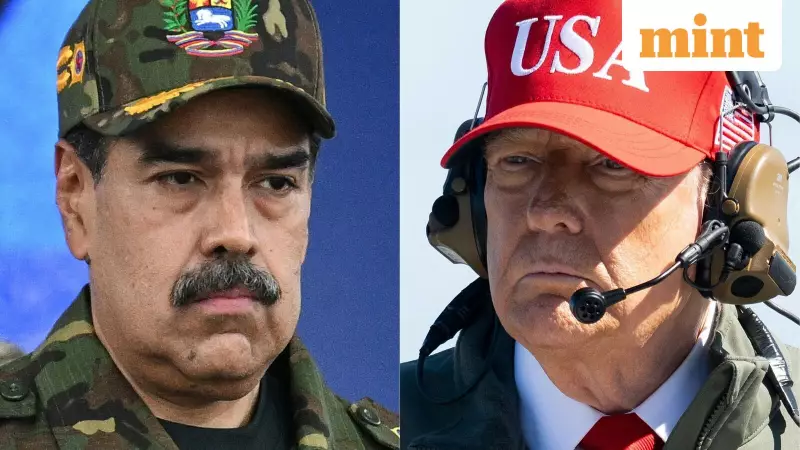
The year 2026 began with a seismic event in global politics. On January 3, 2026, United States forces captured Venezuelan President Nicolas Maduro and his wife, Cilia Flores. The operation, shrouded in secrecy and executed with formidable intelligence, sent shockwaves across the world, recalling images of Saddam Hussein's capture in 2003. The move by US President Donald Trump, who had long warned that Maduro's "days are numbered," blatantly challenged international norms of sovereignty and law.
Decoding the Motives: Oil, China, and the 'Donroe Doctrine'
Analysts are scrambling to understand the sudden targeting of Maduro. While the Venezuelan leader was unpopular, he was not typically placed in the same category as high-value targets like Osama bin Laden. A prominent theory centres on Venezuela's vast oil reserves. Prior to his capture, Maduro was reportedly moving to sell oil in currencies like the Chinese yuan and Russian ruble, reducing reliance on the US dollar. Furthermore, Venezuela was speculated to be joining the expanded BRICS bloc, viewed by Trump as an anti-US alliance.
This action effectively gives the US control over Venezuelan oil flows, squeezing China's energy security and influence in South America. It aligns with Trump's National Security Strategy, which declares the Western Hemisphere a US sphere of influence, free from "hostile foreign incursion." This 'Donroe Doctrine' was previously seen when Trump pressured Panama against selling canal ports to China.

A World on Edge: Implications from Taiwan to Greenland
The audacious move has set a dangerous precedent, leaving nations worldwide questioning their safety. It raises critical questions for India, which has been guarded in its response. A US focus on its hemisphere could mean diminished importance for the Indo-Pacific, a region crucial for New Delhi. The operation also sends a potent message to China regarding Taiwan and to Russia concerning Ukraine, potentially emboldening them to act in their perceived backyards.
Closer to the US, Denmark has put its military on alert against a potential forced takeover of Greenland, which Trump has called central to US security. In Latin America, Colombian President Gustavo Petro was bizarrely invited to the White House after being labelled a "sick man" by Trump, highlighting the administration's unpredictability. Cuba, now cut off from Venezuelan subsidised oil, faces renewed regime change pressure.
Iran in the Crosshairs and a Year of High Stakes
The spotlight also falls on Iran, where protests over a weakening economy have erupted. Trump has threatened intervention if the government cracks down, suggesting Ayatollah Khamenei might flee. This follows a year of Israeli and US actions against Iran, potentially setting the stage for a dramatic shift in the Middle East.
As Professor Elizabeth Roche notes, 2026 is poised to be a year of profound uncertainty, potentially surpassing the disruptions of the COVID-19 era. Key events to watch include Trump's engagements with China's Xi Jinping, the AI Summit chaired by India in February, the BRICS summit, and elections in India's neighbours like Bangladesh, Nepal, and Myanmar. The world waits to see if Trump will attend the Quad Leaders' Summit in India, a key indicator of the US commitment to the region. The capture of Maduro is not an isolated incident; it is the opening gambit in a year where the global order is being violently reshaped.