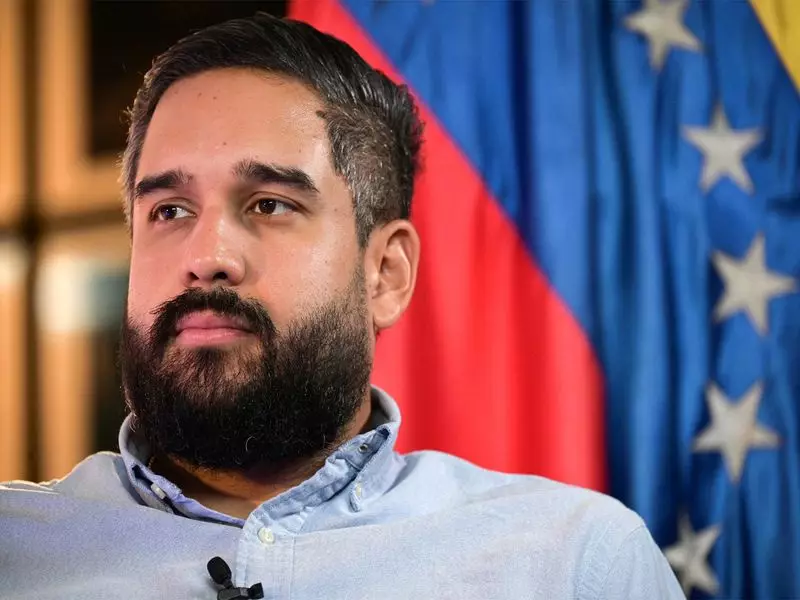
In a dramatic appeal that has escalated a tense diplomatic situation, the son of Venezuelan President Nicolás Maduro has publicly denounced his father's detention upon arrival in Barbados. Nicolás Maduro Guerra has labeled the incident a 'kidnapping' and is urgently calling for international solidarity.
The Incident and Immediate Fallout
The controversy erupted when President Nicolás Maduro landed in Barbados to attend the 15th summit of the BRICS group of emerging economies. Upon arrival, he was reportedly detained by local authorities. The exact legal basis or charges prompting this action have not been fully disclosed, creating a cloud of uncertainty around the event.
Reacting swiftly, his son, Nicolás Maduro Guerra, took to social media to voice his outrage. He framed the detention not as a lawful procedure but as a deliberate and unlawful act. "They have kidnapped the president of Venezuela," he declared, urging the global community to stand with his father and the Venezuelan government.

A Plea for Global Intervention
Maduro Guerra's statement was a direct appeal to international bodies and allied nations. He emphasized the need for a unified response against what he perceives as an attack on Venezuela's sovereignty. His call for solidarity is aimed particularly at other BRICS nations, regional allies in Latin America, and global powers sympathetic to his father's administration.
This incident occurs against a backdrop of prolonged political and economic crisis in Venezuela. President Maduro's government has been the subject of severe sanctions from the United States and several other Western nations, which accuse it of authoritarian practices and human rights violations. The detention in Barbados, a Commonwealth nation, adds a complex new layer to Venezuela's fraught international relations.
Broader Implications and Regional Tensions
The situation places Barbados in a delicate position, caught between enforcing potential international legal requests and managing diplomatic relations with Venezuela and its allies. It also risks causing significant friction within the BRICS bloc, which includes members like China and Russia who have historically supported Maduro's regime.
Analysts suggest this event could be used by Caracas to rally domestic support, portraying President Maduro as a victim of foreign interference. Conversely, opposition figures within Venezuela may view the detention as a potential accountability measure. The coming days are critical, as responses from the Barbadian government, the BRICS summit participants, and major world powers will determine whether this incident de-escalates or spirals into a more serious international dispute.
The world now watches closely as the son's plea for help echoes through diplomatic channels, testing the strength of international alliances and the principles of sovereignty and legal process on the global stage.