Mexico has issued a firm and unambiguous rejection of any potential United States military intervention in Latin America. This strong diplomatic stance comes directly in response to recent threats made by former US President Donald Trump, following a controversial operation in Venezuela.
Trump's Threats and Mexico's Immediate Rebuttal
The diplomatic friction was ignited by comments from Donald Trump, the presumptive Republican nominee for the upcoming US presidential election. In a recent social media post, Trump suggested the possibility of US military action, stating, "The United States stands ready, willing and able to assist in the removal of the Maduro regime." He made these remarks in the context of discussing a recent operation in Venezuela, details of which have been widely reported.
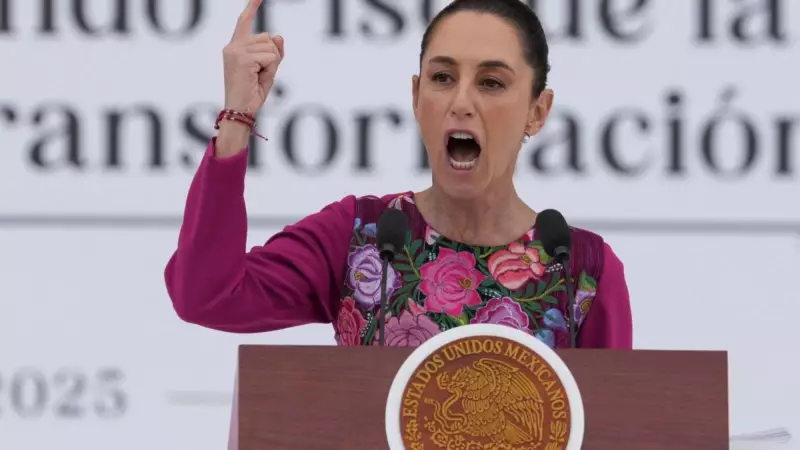
Responding with swift clarity, the Mexican government, under the leadership of President-elect Claudia Sheinbaum and the current administration, dismissed the notion entirely. The Mexican Foreign Ministry released a formal statement, asserting the nation's commitment to peaceful conflict resolution. The statement emphasized the principle of non-intervention and the respect for national sovereignty as fundamental pillars of international law and Mexico's foreign policy.
A Firm Stance Rooted in Principle
Mexico's position is not merely a reaction to a single event but is deeply embedded in its historical and diplomatic doctrine. The country has long been a proponent of resolving international disputes through dialogue and legal frameworks, rather than through the use of force. This incident underscores Mexico's role as a key voice in Latin America advocating for regional stability and self-determination.
The statement from the Foreign Ministry made it clear that Mexico would not support or condone any unilateral military actions by external powers in the hemisphere. This aligns with the broader consensus among many Latin American nations, which often view such interventions as violations of their sovereignty and destabilizing forces for the region.
Broader Implications for Regional Diplomacy
This exchange highlights the ongoing tensions in US-Latin American relations, especially concerning the approach to Venezuela. While the US has historically favored a more confrontational stance towards the government of Nicolás Maduro, Mexico and several other countries have pushed for negotiated solutions and dialogue.
The public dismissal of Trump's threats by Mexico serves multiple purposes. It reinforces the country's independent foreign policy to its domestic audience and to its regional neighbors. It also signals to Washington that, regardless of who occupies the White House, Mexico will defend its principles on the international stage. The episode is likely to be a talking point in the broader context of the US presidential election and its implications for hemispheric relations.
As President-elect Claudia Sheinbaum prepares to take office in October, this firm response also sets a tone for her upcoming administration's foreign policy approach. It demonstrates continuity in Mexico's commitment to a doctrine of non-intervention and peaceful diplomacy, even when faced with pressure from its powerful northern neighbor.