

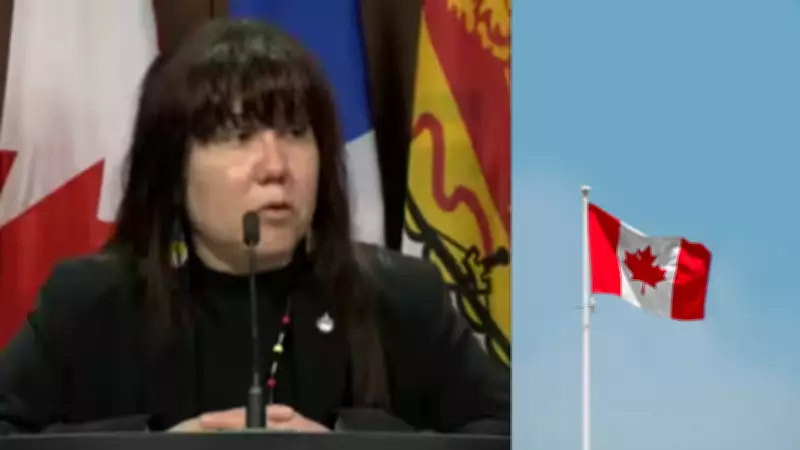
Canadian Parliament's MMIWG2SLGBTQQIA+ Acronym Ignites Heated Debate on Inclusivity Versus Clarity
The term "MMIWG2SLGBTQQIA+" has emerged as a focal point of intense discussion and controversy in recent times, following its introduction by a Member of Parliament in Canada. This lengthy acronym has sparked widespread debate among the public, parliamentarians, and media figures, raising critical questions about the balance between inclusivity and clarity in public relations, particularly when addressing grave issues such as violence against marginalized communities in Canada.
Decoding the Meaning of MMIWG2SLGBTQQIA+
The acronym "MMIWG2SLGBTQQIA+" stands for "Missing and Murdered Indigenous Women, Girls, Two-Spirit, Lesbian, Gay, Bisexual, Transgender, Queer, Questioning, Intersex, Asexual, and more." It builds upon the well-known abbreviation "MMIWG," which has long been utilized in Canada to highlight the alarming crisis of violence targeting Indigenous women and girls.
This issue has been officially recognized as "a Canadian genocide" by the National Inquiry into Missing and Murdered Indigenous Women and Girls. In their comprehensive report titled "Reclaiming Power and Place," the inquiry documented that violence disproportionately affects Indigenous women and gender-diverse individuals. The extension to "2SLGBTQQIA+" represents a deliberate effort to acknowledge and address the unique challenges faced by Two-Spirit and gender-diverse peoples within Indigenous communities, who experience similar vulnerabilities and discrimination.

Why the Acronym Has Sparked an Open Debate: Elon Musk's Comment
The usage of such an extensive acronym has generated significant controversy and polarized opinions. Critics argue that overly complex language can alienate the general public and potentially dilute the seriousness of the underlying issue. They contend that clarity and accessibility are paramount in raising awareness and fostering meaningful dialogue.
Conversely, proponents emphasize the necessity of inclusive terminology to ensure that all affected groups are recognized and represented. They assert that accurate language is crucial for drawing attention to the intersecting forms of discrimination faced by Indigenous LGBTQ+ communities, which the Canadian government acknowledges can lead to heightened vulnerability.
Elon Musk, the founder and CEO of Tesla and SpaceX, amplified the debate with a comment on the lengthy acronym via a post on X (formerly Twitter). His reaction elicited a mix of praise and opposition, further fueling discussions about the appropriateness and effectiveness of such terminology in public discourse.
Understanding the Bigger Issue Beyond Terminology
However, according to insights from the International Indigenous Policy Journal, beyond the disagreements over terminology lies a much more profound and alarming reality: the persistent and systemic violence directed at Indigenous communities in Canada. The findings from the national inquiry reveal deep-seated structural flaws within policing, justice systems, and social services that perpetuate this crisis.
At its core, this issue involves persistent and deliberate violations of human and Indigenous rights, contributing to Canada's disturbing rates of violence. Thus, the problem extends far beyond mere debates about acronyms; it is rooted in centuries-old oppression and discrimination that require urgent and comprehensive action.
Therefore, while arguments may continue regarding the specific language used in Canada, it is crucial to emphasize that experts and advocates encourage the public to focus on what truly matters: addressing the systemic injustices and supporting efforts to protect and empower Indigenous communities.






