

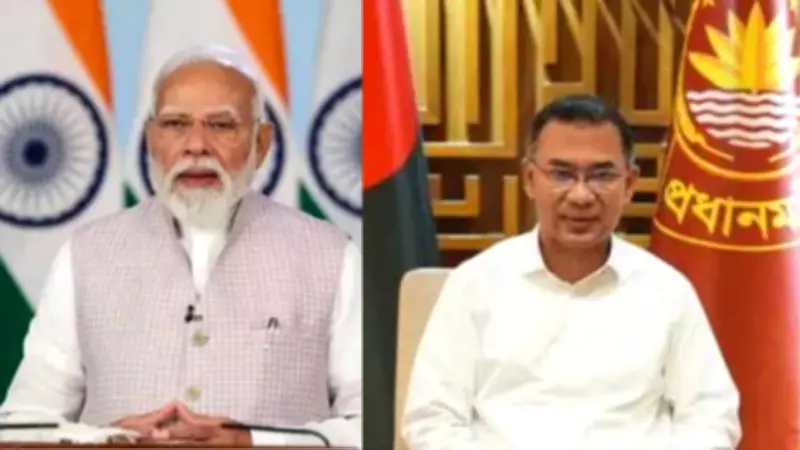
Prime Minister Narendra Modi and Bangladesh Counterpart Tarique Rahman Exchange Eid Greetings, Reinforce Bilateral Ties
In a significant display of diplomatic warmth, Prime Minister Narendra Modi and his Bangladesh counterpart, Tarique Rahman, engaged in a cordial exchange of Eid-ul-Fitr greetings this week. The interaction underscores the ongoing efforts to fortify the longstanding relationship between the two neighboring nations.
Rahman's Letter Highlights Shared Values and Future Cooperation
On Friday, Prime Minister Tarique Rahman sent a heartfelt letter to Prime Minister Modi, expressing his hope that the blessed occasion of Eid would further strengthen the enduring bonds of friendship and people-to-people connections between India and Bangladesh. Rahman described Eid-ul-Fitr as a cherished occasion that reminds everyone of the enduring values of compassion, solidarity, and harmony.
"It unites communities in a spirit of celebration, sharing, and generosity. I join Your Excellency in wishing that this blessed occasion will bring peace, prosperity, and happiness to our peoples and to communities across the world," stated Rahman in his letter. This communication followed Prime Minister Modi's earlier greetings to Rahman and the people of Bangladesh on the occasion of Eid.

Building on a Foundation of Shared History and Vision
Rahman, who was elected to office with a landslide majority, had previously outlined his vision for the India-Bangladesh relationship in a letter dated February 26. In that correspondence, he emphasized Bangladesh's readiness to move forward without being inhibited by past issues, focusing instead on future collaboration.
The Bangladesh Prime Minister made three key points in his earlier letter:
- Historic and Long-Standing Ties: Rahman underlined the "historic and long-standing" ties between the two countries, noting that Bangladesh attaches high importance to its relationship with India, shaped by shared history, culture, and geography. He highlighted that the people of both nations share considerable commonality and enjoy deep-rooted connections.
- Addressing Issues for Common Gain: Rahman stressed the need for both countries to address issues in ways that result in gains for the common people. He expressed confidence that by doing so, India and Bangladesh can accomplish a lot in terms of their shared interests. Rahman looked forward to advancing ties based on dignity, equality, mutual trust, respect, and benefit-sharing.
- Personal Outreach and Shared Vision: In a more personal gesture, Rahman acknowledged Prime Minister Modi's vision for Viksit Bharat 2047. He suggested that the leaders can and need to reinvigorate cooperative engagements to secure peace, harmony, stability, and prosperity "for all people in the longest time." This mention of Viksit Bharat is particularly significant as the Indian government integrates this vision into its core foreign policy, aiming to strengthen development partnerships with friendly countries in alignment with India's strategic interests.
Implications for Bilateral Relations
The exchange of letters between the two leaders, delivered within weeks of Rahman's oath-taking, signals a proactive approach to diplomacy. By focusing on shared values, mutual benefits, and a forward-looking agenda, both nations are poised to enhance their cooperative efforts. The emphasis on Viksit Bharat 2047 reflects a strategic alignment that could lead to increased collaboration in areas such as development, trade, and regional stability.
As India and Bangladesh continue to navigate their complex relationship, these diplomatic gestures highlight a commitment to fostering peace and prosperity through strengthened bilateral ties. The ongoing dialogue sets a positive tone for future engagements, potentially paving the way for more substantive partnerships in the coming years.






