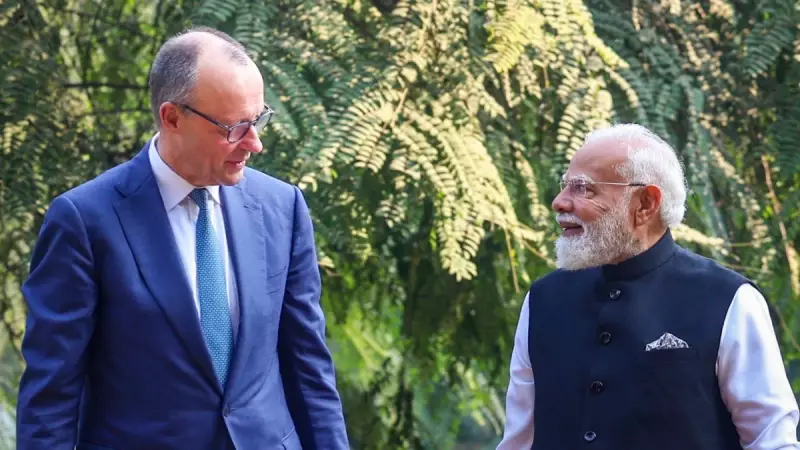
Prime Minister Narendra Modi and visiting German Chancellor Friedrich Merz presented a united front against terrorism on Sunday, issuing a strong joint condemnation of the recent terror attack in Jammu and Kashmir's Pahalgam and the explosion in New Delhi. The leaders also underscored their shared vision for an open and free Indo-Pacific region during their comprehensive talks.
A Firm Stance Against Terrorism
During their meeting, both leaders expressed their deep concern and outright condemnation of the acts of violence that shook India. The Pahalgam terror attack, which targeted a bus carrying pilgrims, resulted in the tragic death of at least one person and left several others injured. Chancellor Merz extended his heartfelt condolences to the families of the victims and wished a speedy recovery for those wounded.
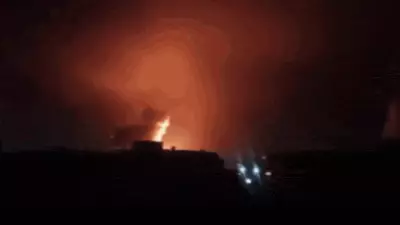
Similarly, the leaders addressed the explosion that occurred in a parked car in the bustling parking lot of Delhi's Indira Gandhi International Airport. While initial reports suggested it was caused by a suspected chemical reaction, the incident raised significant security concerns. PM Modi and Chancellor Merz emphasized the critical need for robust international cooperation to combat terrorism and violent extremism in all its forms.

Strengthening Strategic and Economic Ties
The high-level discussions went beyond security matters, focusing on deepening the strategic partnership between India and Germany. The talks covered a wide range of bilateral issues, with a particular emphasis on boosting trade and investment. Both nations acknowledged the immense potential for collaboration in key sectors such as renewable energy, advanced manufacturing, and digital innovation.
Chancellor Merz's visit, which included a meeting with External Affairs Minister S. Jaishankar, is seen as a significant step in reinforcing the long-standing friendship between the two democracies. The dialogue aimed at creating a more conducive framework for German businesses to invest in India's growing market and for Indian talent to contribute to Germany's technological landscape.
Shared Vision for the Indo-Pacific
A major point of alignment was the geopolitical stability of the Indo-Pacific region. Prime Minister Modi and Chancellor Merz reaffirmed their commitment to a free, open, inclusive, and rules-based Indo-Pacific. This shared principle is central to ensuring peace, security, and sustainable growth in the strategically vital maritime region.
Their joint stance highlights a common understanding of the importance of maintaining freedom of navigation and upholding international law, including the United Nations Convention on the Law of the Sea (UNCLOS). This cooperation is pivotal for ensuring regional stability and economic prosperity for all nations involved.
Looking Forward: A Partnership for the Future
The productive meeting concluded with both leaders expressing optimism about the future trajectory of India-Germany relations. They agreed to maintain close coordination on global challenges, including climate change and sustainable development. The condemnation of the recent attacks served as a sobering reminder of shared security threats, while the economic and strategic discussions charted a positive course for enhanced collaboration.
The outcomes of this diplomatic engagement are expected to pave the way for more concrete joint initiatives and high-level exchanges in the coming months, solidifying a partnership based on mutual respect, democratic values, and shared economic interests.