

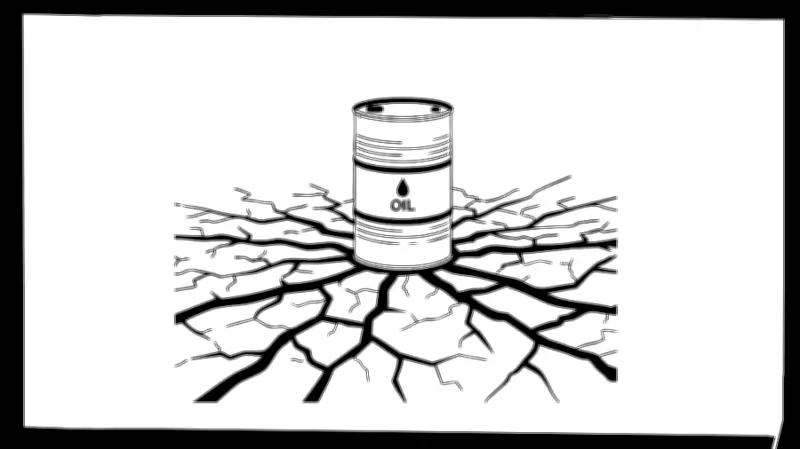
The Escalating Toll of Global Conflicts: A Path Forward
In today's interconnected world, the repercussions of armed conflicts extend far beyond the immediate battlefields, inflicting profound economic, social, and humanitarian costs on nations and their citizens. The mounting expenses associated with these disputes are becoming increasingly unsustainable, threatening global stability and prosperity. As tensions rise, the imperative for diplomatic intervention grows more urgent, with countries like India poised to play a pivotal role in mitigating these crises.
India's Strategic Neutrality: A Catalyst for Peace
India has long maintained a stance of strategic neutrality in international affairs, allowing it to engage with multiple global powers without being perceived as aligned with any particular bloc. This unique position grants India significant diplomatic leverage, enabling it to act as an honest broker in conflict resolution efforts. By leveraging this neutrality, India can facilitate dialogue between warring parties, promoting de-escalation and fostering an environment conducive to peaceful negotiations.
The benefits of such an approach are manifold. First, it helps reduce the immediate human suffering caused by violence, including displacement, casualties, and psychological trauma. Second, it curtails the economic drain that conflicts impose on national budgets, which could otherwise be directed toward development and welfare programs. Third, it strengthens India's global standing as a responsible and proactive member of the international community, enhancing its soft power and influence.

The Urgent Need for De-escalation and Dialogue
As conflicts persist, the costs continue to mount, affecting not only the directly involved nations but also the broader global economy and security architecture. Key areas impacted include:
- Humanitarian crises: Increased refugee flows and strained aid resources.
- Economic disruptions: Trade barriers, inflation, and investment uncertainties.
- Environmental degradation: Damage to infrastructure and natural resources from warfare.
To address these challenges, a multi-faceted approach is essential. India should advocate for:
- Immediate ceasefires to halt violence and allow humanitarian access.
- Inclusive peace talks that involve all stakeholders, including marginalized groups.
- Long-term conflict prevention strategies, such as economic cooperation and cultural exchanges.
By championing these initiatives, India can help steer the international community toward a more peaceful and stable future, where dialogue triumphs over destruction. The time for action is now, as every day of conflict deepens the losses for all parties involved.






