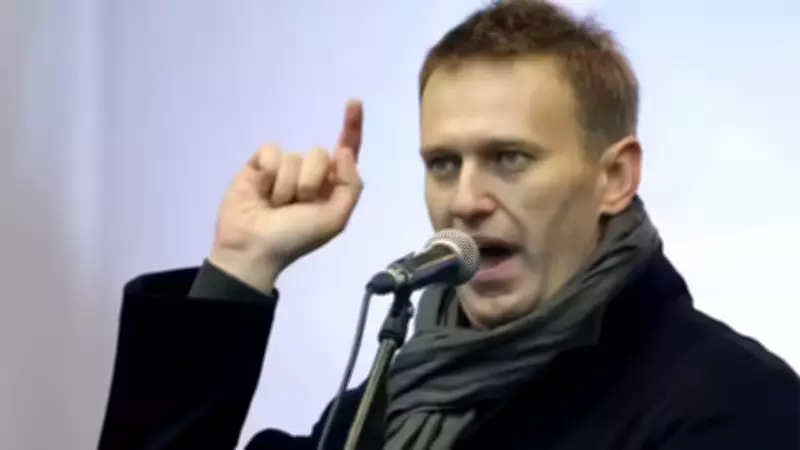
European Nations Allege Navalny Poisoned by Rare Frog Toxin
In a significant development, the foreign ministries of Britain, France, Germany, Sweden, and the Netherlands issued a joint statement on Saturday, asserting that Alexei Navalny, the Russian opposition leader who died in prison two years ago, was most likely poisoned with a toxin derived from a South American frog. This finding directly contradicts the official Russian account that Navalny died of natural causes.
Toxic Substance Identified in Navalny's Body
The statement revealed that samples taken from Navalny's body showed the presence of epibatidine, a toxic substance naturally found in poison dart frogs native to South America. The ministries emphasized that epibatidine is not naturally occurring in Russia, suggesting it was introduced artificially. This discovery challenges the Russian authorities' narrative and raises serious questions about the circumstances of Navalny's death.
Implications for Russian Accountability
The joint statement argued that the presence of this foreign toxin indicates Russian authorities likely killed Navalny, who was the government's most prominent political opponent at the time of his death in a maximum-security prison in the Russian Arctic in 2024. "Navalny died while held in prison, meaning Russia had the means, motive, and opportunity to administer this poison to him," the statement said. It further condemned this as evidence that Russia continues to use chemical weapons, disregarding international law.

Context of Prisoner Exchange and Political Motives
Aides to Navalny have previously stated that he was close to being released in a prisoner exchange with the West when he died. They contended that by eliminating him, the Kremlin could remove Navalny from consideration in the exchange negotiations. In August 2024, Russia and Belarus ultimately released 16 individuals, including several political prisoners and American journalist Evan Gershkovich, in such an exchange.
International Reactions and Intelligence Assessments
News reports from 2024 indicated that US intelligence officials did not believe Russian President Vladimir Putin personally ordered Navalny's death, though they held him ultimately responsible due to the harsh conditions Navalny faced after his imprisonment in early 2021. The US government has not yet commented on the recent statement by the five European countries, leaving the international response evolving.