

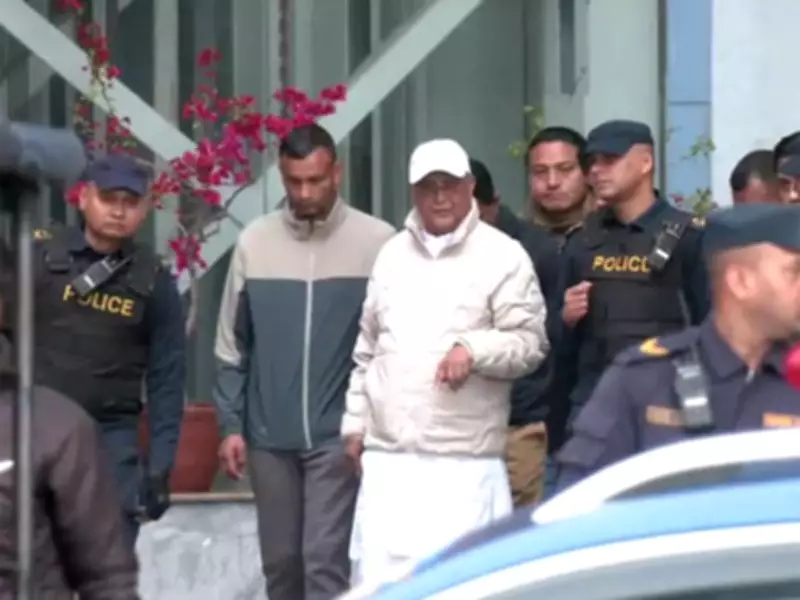
Nepal's Communist Party Calls for Immediate Release of Former Prime Minister KP Oli
In a significant political development, Nepal's Communist Party has issued a strong demand for the immediate release of former Prime Minister KP Sharma Oli. The party's statement highlights growing tensions within Nepal's political landscape and raises questions about the current administration's adherence to democratic principles.
Political Pressure Mounts Over Oli's Detention
The Communist Party's demand comes amid increasing scrutiny of the circumstances surrounding Oli's detention. Party officials have emphasized that Oli's continued confinement undermines political stability and could potentially disrupt the fragile democratic processes in Nepal. They argue that as a former head of government, Oli deserves respect and proper treatment under the law.
The party's statement specifically calls for authorities to respect constitutional provisions and ensure that all political figures are treated fairly. This move is seen as part of broader efforts by opposition groups to challenge what they perceive as overreach by the current government.

Background of the Controversy
KP Sharma Oli served as Nepal's Prime Minister from 2018 to 2021, leading the country through various political and economic challenges. His tenure was marked by significant policy initiatives and occasional controversies, making him a polarizing figure in Nepalese politics.
The exact reasons for Oli's current detention remain somewhat unclear, but sources suggest it may be related to ongoing investigations into alleged misconduct during his time in office. However, the Communist Party maintains that any legal proceedings should be conducted transparently and without political interference.
Implications for Nepal's Democracy
This development has sparked concerns among political observers about the state of democracy in Nepal. The Communist Party's demand reflects broader anxieties about:
- The independence of judicial processes
- Protection of political rights
- Maintenance of constitutional norms
- Stability of governmental transitions
International human rights organizations have also begun monitoring the situation, with some expressing concern about potential violations of due process. The outcome of this political standoff could have lasting implications for Nepal's democratic institutions and its international reputation.
Regional and International Reactions
Neighboring countries and international partners are closely watching developments in Nepal, given the nation's strategic importance in South Asia. A stable and democratic Nepal is considered crucial for regional security and economic cooperation.
The Communist Party's demand has already generated discussion in diplomatic circles, with some countries likely to issue statements urging all parties to respect democratic norms and legal procedures. How the current Nepalese government responds to this pressure will be closely scrutinized by both domestic and international observers.






