Nepal Election Results: RSP Takes Early Lead as Vote Counting Commences Nationwide
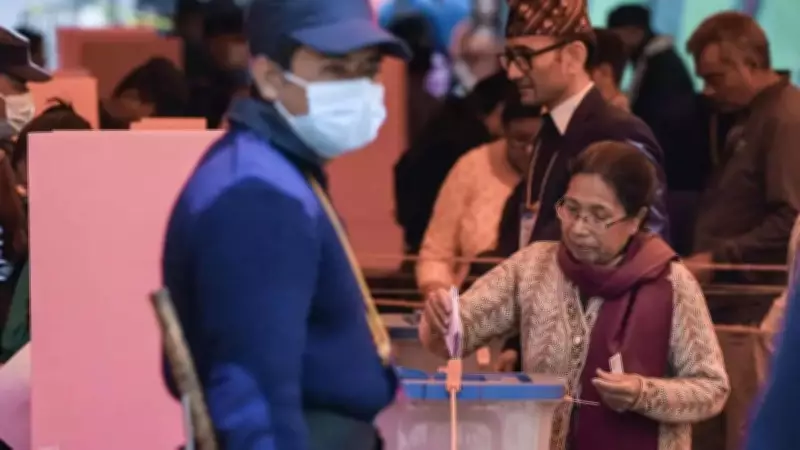
Vote counting began across Nepal on Friday following a closely monitored parliamentary election, held months after large-scale protests in 2025 forced the government to step down and led to the formation of an interim administration. The election marks a critical moment for the Himalayan nation as it seeks to restore stable governance.
Early Trends Show RSP Ahead in Multiple Constituencies
Early trends indicate that the newly formed Rastriya Swatantra Party (RSP), led by former rapper and Kathmandu mayor Balendra Shah, is ahead in several constituencies. According to party statements, the RSP had won three seats and was leading in 45 of the 57 constituencies where counting was underway by Friday morning. The party claimed victories in Kathmandu-1, Kathmandu-7, and Kathmandu-8, though the Election Commission has not officially confirmed these results.
Established Parties Trail Behind in Initial Counts
Meanwhile, former prime minister K P Sharma Oli’s Communist Party of Nepal (UML) was leading in five seats. The Nepali Congress, now under the leadership of Gagan Thapa, was ahead in four seats, while former prime minister Pushpa Kamal Dahal ‘Prachanda’ was leading in two constituencies. Election Commission spokesperson Prakash Nyupane reported that counting was proceeding "in a peaceful manner" across the country.

Voter Turnout and Election Dynamics
Nearly 60 percent of voters participated in Thursday’s election, with more than 3,400 candidates contesting 165 directly elected seats in the 275-member House of Representatives. Another 110 seats will be filled through proportional representation. This election has become a contest between established political parties and newer leaders promising change, reflecting a shift in the political landscape.
Balendra Shah's Appeal to Younger Voters
Balendra Shah, who first gained popularity as a rapper before entering politics, has attracted significant support from younger voters. His campaign has focused on key issues such as corruption, governance, and job opportunities, resonating with a demographic tired of traditional politics. Results are expected to continue through the day, although the full national tally could take a few days. Even after results are declared, negotiations to form a government may be required if no party wins a majority.
Background: The 2025 Protests That Led to This Election
The election was called after nationwide protests in September 2025 forced the government to resign. Since then, Nepal has been run by an interim administration led by former chief justice Sushila Karki, which organized the polls to restore a full government. The 2025 protests began after a temporary social media ban but quickly expanded into a wider movement against corruption and economic problems.
These demonstrations were largely driven by young people and became known as Gen Z protests. The unrest turned violent in several areas, with at least 77 people killed and government buildings set on fire. The protests eventually forced the resignation of the Oli-led government, setting the stage for this pivotal election.