From Hashtags to House Seats: Nepal's Political Transformation Journey
Nepal's political arena is witnessing a remarkable shift as digital activism, once confined to hashtags and online campaigns, is increasingly translating into tangible parliamentary representation. This evolution marks a significant chapter in the country's democratic journey, yet it is accompanied by persistent hurdles in governance and stability that complicate the path forward.
The Rise of Digital Activism in Nepal
In recent years, social media platforms have become powerful tools for political mobilization in Nepal. Citizens, especially the youth, have leveraged hashtags to voice concerns, organize protests, and demand accountability from traditional political elites. This digital movement has not only amplified grassroots voices but has also pressured established parties to adapt to a more transparent and responsive political culture.
Key drivers of this transformation include:

- Increased internet penetration, which has connected remote communities and fostered a sense of national dialogue.
- Youth engagement, with younger generations using platforms like Facebook and Twitter to challenge outdated political norms.
- Global influences, as international trends in digital activism inspire local movements for change.
Transition to Parliamentary Representation
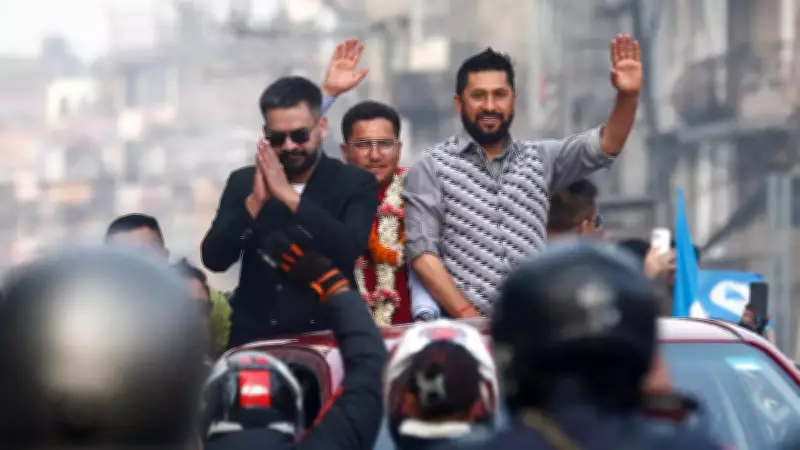
As social media activism gains momentum, its impact is increasingly visible in Nepal's legislative bodies. Activists and influencers who once rallied support online are now contesting elections and securing seats in the House of Representatives and provincial assemblies. This shift represents a democratization of political power, allowing new voices to participate directly in lawmaking and policy formulation.
However, this transition is not without its complexities. Many of these new representatives face steep learning curves in navigating parliamentary procedures, building coalitions, and translating online popularity into effective governance. The gap between digital rhetoric and practical policymaking often leads to challenges in delivering on campaign promises.
Persistent Governance Challenges
Despite the influx of new political actors, Nepal continues to grapple with deep-seated governance issues. Political instability, frequent changes in government, and bureaucratic inefficiencies hinder progress on critical fronts such as economic development, infrastructure, and social welfare. The integration of digital activists into the political mainstream has yet to fully address these systemic problems.
Major obstacles include:
- Fragmented political landscape, with multiple parties struggling to form stable coalitions.
- Corruption and lack of transparency, which undermine public trust in institutions.
- Slow implementation of reforms, due to bureaucratic red tape and political infighting.
The Road Ahead for Nepal's Politics
Looking forward, Nepal's political transformation hinges on balancing digital innovation with traditional governance mechanisms. While social media has democratized political participation, sustainable change requires robust institutions, inclusive policies, and a commitment to long-term stability. The journey from hashtags to house seats is a promising start, but it must be complemented by efforts to strengthen democratic foundations and address socio-economic disparities.
In conclusion, Nepal's evolving political landscape reflects a dynamic interplay between digital activism and parliamentary representation. As the country navigates this transition, the focus must remain on building a resilient democracy that harnesses the energy of new voices while tackling enduring governance challenges.