Nepal's Rapper-Turned-Leader Takes on Veteran Rival in High-Stakes Political Battle
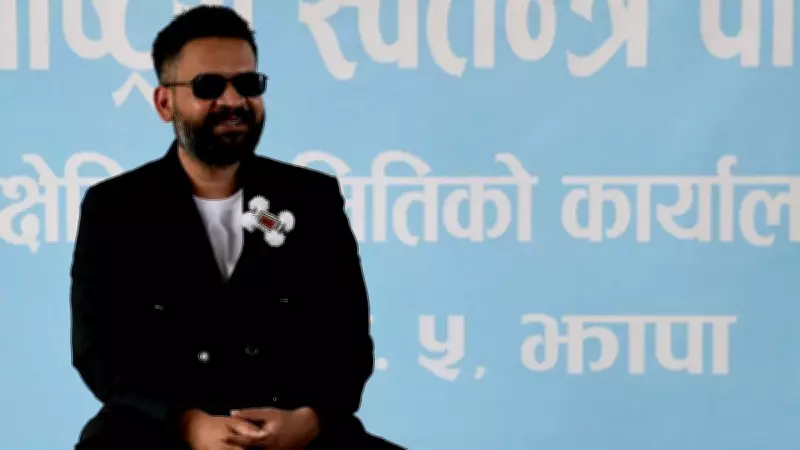
In a dramatic turn of events, Nepal's rapper-turned-political leader Shah has launched a direct challenge against the seasoned four-time Prime Minister Oli, targeting the latter's stronghold in Jhapa district. This confrontation marks a significant escalation in the nation's political landscape, as Shah aims to disrupt Oli's long-standing dominance in a region where the 74-year-old veteran has secured victory six times throughout his illustrious career.
A Clash of Generations and Styles on Familiar Ground
The Jhapa district, renowned as Oli's political home turf, now serves as the battleground for this intense power struggle. Oli's repeated successes here underscore his deep-rooted influence and connection with the local electorate, making Shah's decision to contest this area a particularly audacious move. Analysts view this as a strategic attempt by Shah to leverage his unconventional background and appeal to younger voters, potentially reshaping traditional political dynamics in Nepal.
This showdown is not merely a local electoral contest but a symbolic representation of broader shifts within Nepalese politics. Shah's entry into this race highlights the evolving nature of leadership, where non-traditional figures are increasingly challenging established political elites. The outcome could have far-reaching implications for governance and policy direction in the country.

Historical Context and Future Implications
Oli's political journey in Jhapa spans decades, with his six wins reflecting a consistent voter base and organizational strength. In contrast, Shah's rise from the music industry to political prominence illustrates a new wave of activism and public engagement. This election is poised to test whether grassroots support and innovative campaigning can overcome entrenched political machinery.
The international community is closely monitoring this development, as it may signal trends in democratic participation and leadership transitions in South Asia. With both candidates mobilizing resources and supporters, the campaign is expected to be fiercely competitive, drawing attention to issues such as economic development, social justice, and national identity.
As the political drama unfolds, observers note that this contest could redefine power structures in Nepal, potentially paving the way for more diverse voices in governance. The results will not only determine local representation but also influence the broader trajectory of Nepalese democracy in the coming years.