Netanyahu Signals Fragile Ceasefire, Warns Israel Keeps Military Option Open
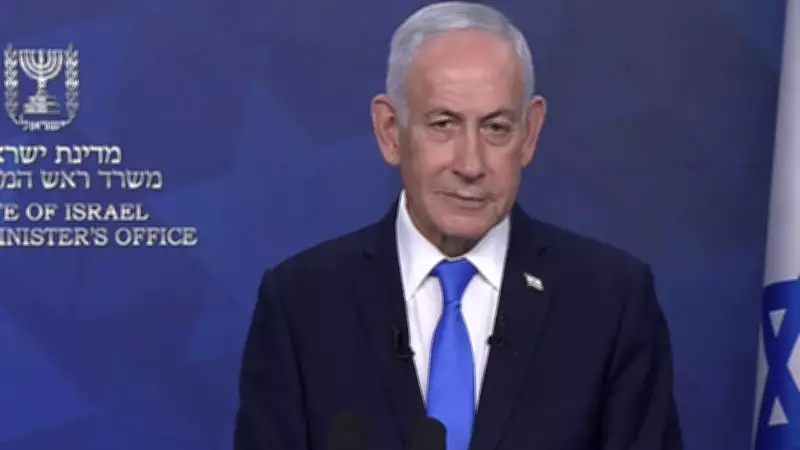
Israeli Prime Minister Benjamin Netanyahu has delivered his first public briefing since the implementation of a two-week ceasefire between the United States and Iran, emphasizing that the temporary truce remains precarious and does not signify a conclusion to hostilities. Netanyahu explicitly stated that the arrangement is "not the end" and that Israel retains the full authority to resume military operations if its core security objectives are not satisfactorily met.
"Finger on the Trigger": Israel's Readiness for Immediate Action
Adopting a markedly cautious and vigilant stance, the Prime Minister declared that Israel maintains its "finger on the trigger" and is prepared to "return to battle at any moment" should circumstances necessitate such action. This firm declaration underscores the conditional nature of the current pause in broader regional conflict.
Netanyahu was keen to clarify the diplomatic context, stressing that the ceasefire agreement was reached "in full cooperation" with Israel. He categorically dismissed any suggestions or reports that the Israeli government was informed of the deal at the last minute, asserting the nation's active involvement in the negotiation process.

Ceasefire Excludes Hezbollah, Strikes to Continue
In a significant clarification of the agreement's scope, Netanyahu made it unequivocally clear that the understanding with Iran does not extend to the Hezbollah militant group. He issued a stern warning that Israeli defense forces will "continue to strike them" despite the broader pause in hostilities with Tehran. This indicates a continuation of targeted military actions along Israel's northern border.
Mounting Humanitarian Toll in Lebanon
Meanwhile, the human cost of the conflict continues to escalate dramatically. According to the latest figures released by Lebanese Civil Defense, the death toll from Israeli strikes across Lebanon on Wednesday alone has risen to 254 individuals. This tragic statistic starkly highlights the intense and ongoing nature of military operations in certain theaters, even amidst the wider ceasefire framework between state actors.
Details of the US-Iran Two-Week Ceasefire
The temporary truce, agreed upon by the United States and Iran, is designed as a pause to open diplomatic channels rather than a permanent end to conflict. Key elements of the arrangement include:
- A mutual stepping back from immediate military action for a period of two weeks.
- The commencement of formal negotiations, which are set to begin in Islamabad.
- A critical condition involving the reopening of the Strait of Hormuz, with Washington explicitly linking the continuation of the ceasefire to the assurance of safe maritime passage through this vital waterway.
In parallel, Iran has reportedly proposed broader terms for a more lasting agreement. These proposals are understood to include:
- Substantial relief from international economic sanctions.
- The release of Iranian financial assets currently frozen in foreign banks.
The overall situation remains inherently fragile and conditional. Both the United States and Iran have publicly stated that they are keeping their military options readily available should the other party fail to meet its commitments during this delicate diplomatic window.