

Netanyahu Denies Taking Orders from Trump
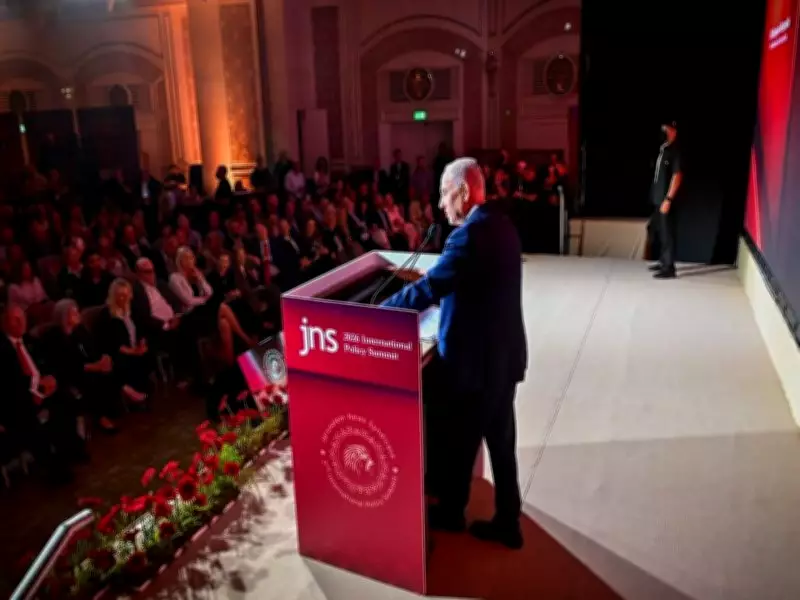
Israeli Prime Minister Benjamin Netanyahu has firmly denied that he takes directives from US President Donald Trump, pushing back against recent claims by the American leader that Israel does as he says. Speaking at the Jerusalem News Syndicate's International Policy Summit 2026, Netanyahu stated, "President Donald Trump does not do everything I want, nor do I do everything he wants. We are leaders of independent and proud countries; sometimes we don't see eye to eye."
Emphasis on Sovereignty and National Interests
The Prime Minister stressed that both heads of state prioritize their respective national agendas, despite periodic friction in their relationship. "We stand for our interests. I stand for the interests of Israel and for its security. And often we see eye to eye. Sometimes we don't. But we respect each other's sovereignty and leadership and commitment to our people," Netanyahu added. His comments came after Trump, in an Axios interview conducted last Friday, claimed he could influence Israeli military operations, saying, "Yeah, I will be. I mean, they have a lot of respect for me, and they do as I say."
Trump's Remarks and Growing Discord
While characterizing his rapport with Netanyahu as "good," Trump said he occasionally needs to "keep him a little bit sane," and asserted that Israel would "not exist" without American support. These remarks highlight growing discord between Washington and Jerusalem concerning Israel's ongoing military campaign in Lebanon. Trump has cautioned that Israeli actions threaten to destabilize the memorandum of understanding established with Iran last week following extensive diplomatic efforts.

Vice President Vance's Warning
Adding to the tensions, US Vice President JD Vance recently issued a stern admonition to members of the Israeli cabinet who have vocally opposed the Iran deal. Vance suggested that criticizing "the only powerful ally" Israel retains is ill-advised, particularly in light of the war jointly waged by the US and Israel against Iran, which commenced on 28 February. The diplomatic friction underscores the complex dynamics between the two nations as they navigate conflicting interests in the region.
Domestic Pressure on Netanyahu
Domestic pressure is also mounting on Netanyahu's administration. Recent polling data from the Hebrew University of Jerusalem and the Agam Institute indicate that a majority of the Israeli public believes Iran has emerged from the conflict and the subsequent US-brokered pact in a stronger position. This sentiment adds to the challenges facing the Israeli leader as he manages both international relations and public opinion at home.






