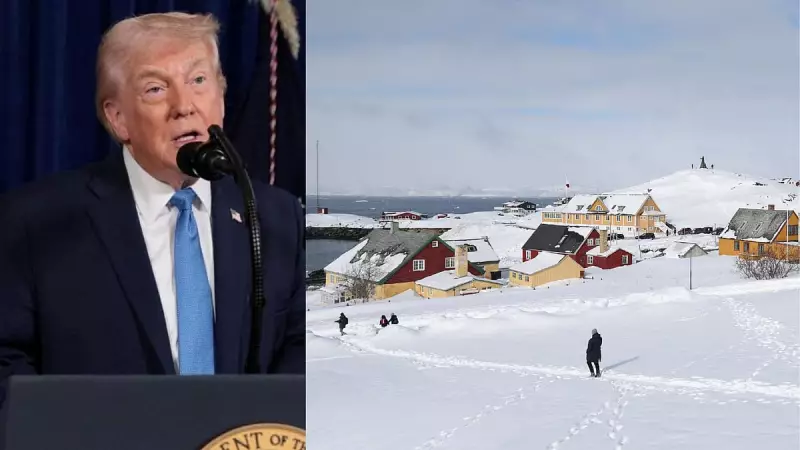
Senior diplomats from Nordic nations have publicly challenged a claim made by former US President Donald Trump regarding foreign naval presence in the Arctic. The officials, who have access to classified NATO intelligence briefings, stated there is no evidence to support assertions of recent Russian and Chinese ship or submarine activity around Greenland.
Intelligence Briefings Contradict Claims
The information, first reported by the Financial Times on 11 January 2026, comes from two high-level Nordic diplomats. These officials are privy to sensitive intelligence shared within the North Atlantic Treaty Organization (NATO). According to their assessment of these briefings, there have been no signs of Russian and Chinese vessels operating in the waters surrounding Greenland in recent years.
This statement directly counters the narrative put forward by Donald Trump. While the exact context and timing of Trump's original claim are not detailed in the initial report, the rebuttal from the Nordic representatives is clear and based on current alliance intelligence.

Geopolitical Significance of the Arctic
The Arctic region, where Greenland is located, has become an area of increasing strategic competition. Melting ice caps are opening new shipping routes and access to untapped natural resources. This has led to heightened military and economic interest from global powers, including Russia, China, and the United States.
Greenland, an autonomous territory within the Kingdom of Denmark, holds a strategically important position. Allegations of foreign naval patrols in its vicinity would signal a significant escalation in regional tensions. The denial from Nordic officials, therefore, seeks to clarify the actual security situation based on verified data rather than rhetoric.
Implications for Regional Security and Alliances
This public refutation by allied diplomats highlights a potential divergence in threat perception or the use of intelligence for political messaging. It underscores the importance of intelligence-sharing mechanisms within NATO for establishing a common operational picture.
For the Nordic states, which include Arctic nations, maintaining a stable and secure environment in the High North is a paramount concern. Their reliance on factual NATO intelligence to address the claim demonstrates a commitment to a evidence-based approach to security, even when it involves contradicting a prominent political figure.
The incident brings focus to the ongoing geopolitical dynamics in the Arctic and the critical role of intelligence in shaping public and political understanding of military movements. It also shows the willingness of regional actors to correct the record on matters of national and alliance security.