NYC Budget Clash Centers on Hidden Brooklyn Bridge Vaults
In an unexpected twist to New York City's ongoing budget negotiations, a series of long-sealed rooms beneath the iconic Brooklyn Bridge have emerged as a potential revenue source. City Council members are proposing to lease out these hidden vaults, aiming to generate millions in annual income without resorting to tax hikes, directly challenging Mayor Zohran Mamdani's fiscal approach.
The Hidden Asset: 13,000 Square Feet of Untapped Space
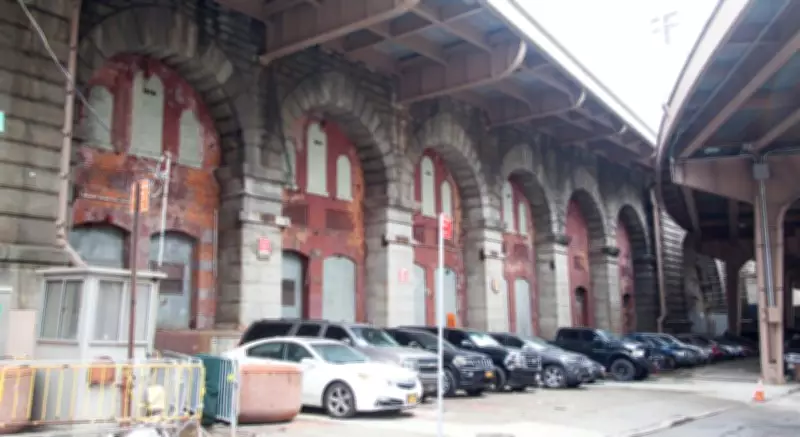
The spaces in question are located within the bridge's massive stone anchorages, comprising a network of vaults and rooms spanning approximately 13,000 square feet. Once utilized for art exhibitions and cultural events, these areas have remained largely closed to the public since 2001. Currently, officials describe the space as functioning primarily as a "glorified parking garage" for city-owned vehicles, representing significant untapped potential.
Adding to their historical significance, parts of these vaults were prepared during the 1960s to serve as nuclear fallout shelters, reflecting the Cold War era's preparedness measures. The council's proposal seeks to transform these dormant spaces into leasable commercial or mixed-use units, converting currently non-revenue-generating areas into valuable assets for the city.

A $17 Million Annual Revenue Opportunity
This innovative proposal forms a key component of the New York City Council's $127 billion alternative budget, presented on April 1st as a direct counter to Mayor Zohran Mamdani's preliminary spending plan. According to council estimates, leasing the Brooklyn Bridge vaults at average Manhattan rental rates could yield approximately $17 million annually, with potential revenue streams beginning as early as fiscal year 2027.
The vault leasing initiative is part of a broader package of revenue enhancements totaling $529 million. Additional proposals include increasing docking fees at the city's 15 marinas—rates that have remained unchanged since 2012—which could generate about $1 million annually from yacht owners. The council also suggests expanding "destination concessions" in underutilized park spaces, including food halls, bars, and seating areas, potentially adding roughly $10 million per year to city coffers.
Philosophical Divide Over Fiscal Management
At the core of this proposal lies a fundamental disagreement about how to address New York City's projected $6 billion budget shortfall. Mayor Mamdani has advocated for a "tax the rich" approach, proposing potential tax increases on high-income residents earning over $1 million annually, homeowners, and profitable businesses, while also considering drawing down reserves.
In contrast, the City Council has positioned its plan as a viable alternative, arguing that the city can stabilize its finances without raising taxes, cutting essential services, or depleting emergency funds. Council member Julie Menin, who has been instrumental in developing the proposal, emphasized: "We cannot in good conscience fund the City's needs on the backs of homeowners or renters, by digging into emergency reserves, or by cutting essential programs."
The council's official response statement further clarifies their position: "The Council lays out an alternative path the City can follow, providing the necessary resources to fund all the spending priorities without having to resort to increasing taxes, reducing funding for critical services, or drawing down on reserves."
Comprehensive Financial Strategy
Beyond the new revenue streams, the council claims to have identified $3.5 billion through revised revenue projections and spending adjustments. These include:
- Higher-than-expected income from construction permits
- Savings from unfilled city positions
- $2 billion in agency efficiencies through operational improvements
The proposal also seeks to restore funding to programs that faced reductions or exclusion in the mayor's preliminary budget, including:

- Public library systems
- Cultural institutions and museums
- City University of New York (CUNY) initiatives
- Legal services for housing and domestic violence cases
Furthermore, the plan outlines new investments such as expanding the Fair Fares program to fully subsidize public transportation for low-income residents and increasing college savings support for public school students.
Next Steps and Implications
Currently, the Brooklyn Bridge vault plan remains in the proposal stage, requiring approval and detailed planning before any leasing activities can commence. However, its emergence highlights the lengths to which city officials are willing to go to identify new revenue sources amid significant budgetary pressure.
This initiative demonstrates how spaces closed for decades are now being reevaluated as potential financial assets, reflecting creative approaches to municipal finance management. The outcome of this proposal will not only determine the fate of these historic vaults but also signal which fiscal philosophy—revenue generation through asset utilization or increased taxation—will guide New York City's financial future.