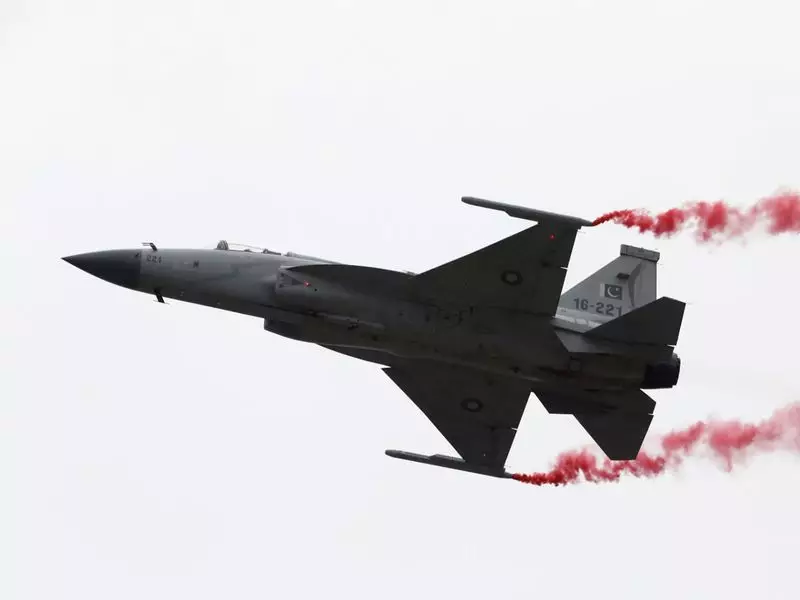
Pakistan has officially confirmed that it is engaged in high-level discussions with Bangladesh concerning a potential defence agreement, which includes the sale of multi-role JF-17 Thunder fighter jets. This development marks a significant step in military diplomacy between the two nations.
High-Level Delegations and Strategic Discussions
The talks were disclosed by Pakistan's Foreign Office spokesperson, Mumtaz Zahra Baloch, during her weekly media briefing in Islamabad. She stated that a delegation from Bangladesh recently visited Pakistan, engaging in substantive discussions on matters of mutual interest, with a particular focus on defence cooperation.
The discussions are reported to have covered the potential sale of the JF-17 Thunder combat aircraft, jointly developed by Pakistan and China. While Baloch did not delve into the specific number of jets or financial details under consideration, she emphasized that both countries are exploring enhanced collaboration in the defence sector. The dialogue signifies a warming in relations, with defence emerging as a pivotal area for bilateral engagement.

The JF-17 Thunder: A Cornerstone of the Deal
At the heart of these negotiations is the JF-17 Thunder, a single-engine, multi-role light fighter jet. It is a flagship product of the Pakistan Aeronautical Complex (PAC) and China's Chengdu Aircraft Corporation. The aircraft is already the backbone of the Pakistan Air Force and has been exported to other nations, including Myanmar and Nigeria.
For Bangladesh, acquiring the JF-17 could be a strategic move to modernize its ageing fighter fleet, which currently includes Russian-made MiG-29s and Chinese F-7 jets. The potential deal extends beyond a simple purchase; it is envisioned as part of a broader defence pact aimed at fostering long-term strategic and military ties between Dhaka and Islamabad.
Broader Implications and Regional Context
This potential defence partnership carries considerable geopolitical weight. A successful agreement would represent one of Pakistan's most significant defence exports and deepen its strategic footprint in South Asia. For Bangladesh, diversifying its sources of military hardware and strengthening ties with Pakistan marks a notable shift in its foreign policy calculus.
The talks also underscore the evolving nature of regional alliances. While both nations maintain important relationships with other global powers, this bilateral initiative highlights a direct channel for security cooperation. The outcome of these negotiations could influence the regional balance, particularly in the Bay of Bengal and surrounding areas.
The confirmation from Pakistan's Foreign Office provides official weight to what had previously been subject to media speculation. It sets the stage for further diplomatic and technical engagements in the coming months. As both sides evaluate the terms, the world will be watching to see if this potential deal for JF-17 fighter jets transforms into a solidified defence pact, reshaping military dynamics in South Asia.