

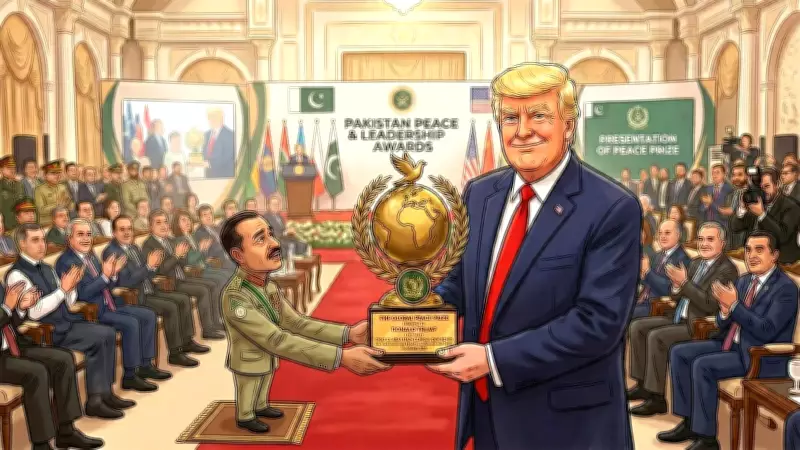
Pakistan Emerges as Key Mediator in Historic US-Iran Diplomatic Breakthrough
In a remarkable development that signals a potential thaw in decades of hostility, General Asim Munir arrived in Tehran on Wednesday carrying a crucial American truce proposal. This high-stakes diplomatic mission directly follows an extraordinary weekend of negotiations between the United States and Iran, which unfolded over an unprecedented 21 hours in Islamabad.
Unprecedented Bilateral Engagement Since 1979
The Islamabad negotiations represent the most substantive and direct bilateral engagement between Washington and Tehran since diplomatic relations were severed in 1979. For over four decades, communication between the two nations has been minimal and fraught with tension, making this weekend's marathon discussions particularly significant.
Pakistan's unexpected role as both venue provider and diplomatic channel for these groundbreaking talks should not be entirely surprising, given the country's strategic positioning and historical relationships with both nations. Islamabad has maintained diplomatic ties with Tehran while also being a key ally of the United States in the region.

The Strategic Importance of General Munir's Tehran Mission
General Asim Munir's arrival in Tehran with the American truce offer demonstrates Pakistan's active facilitation of this diplomatic process. His mission serves as a critical follow-up to ensure momentum from the Islamabad talks translates into concrete diplomatic progress.
The 21-hour negotiation session in Pakistan's capital broke multiple barriers that have characterized US-Iran relations for generations. This extended, face-to-face dialogue between representatives of both nations marks a departure from the indirect communications and proxy conflicts that have defined their relationship for decades.
Analyzing Pakistan's Diplomatic Calculus
Pakistan's decision to host these sensitive negotiations reflects several strategic considerations:
- Positioning itself as a neutral mediator in regional conflicts
- Leveraging its relationships with both Washington and Tehran
- Addressing security concerns that affect Pakistan directly
- Enhancing its international diplomatic standing
The fact that both the United States and Iran agreed to use Pakistan as a venue for these critical discussions speaks volumes about Islamabad's diplomatic credibility with both parties. This development represents a significant diplomatic achievement for Pakistan's foreign policy establishment.
Potential Implications for Regional Stability
Should General Munir's mission in Tehran yield positive results, several potential outcomes could emerge:
- Reduced tensions in the Persian Gulf region
- Improved prospects for nuclear negotiations
- Enhanced regional security cooperation
- Economic opportunities stemming from reduced sanctions pressure
The continuation of this diplomatic channel through Pakistan suggests that both Washington and Tehran see value in maintaining this newly established communication line, potentially paving the way for more regular diplomatic exchanges in the future.






