Pakistan Confirms Readiness to Host US-Iran Talks Amid West Asia Conflict
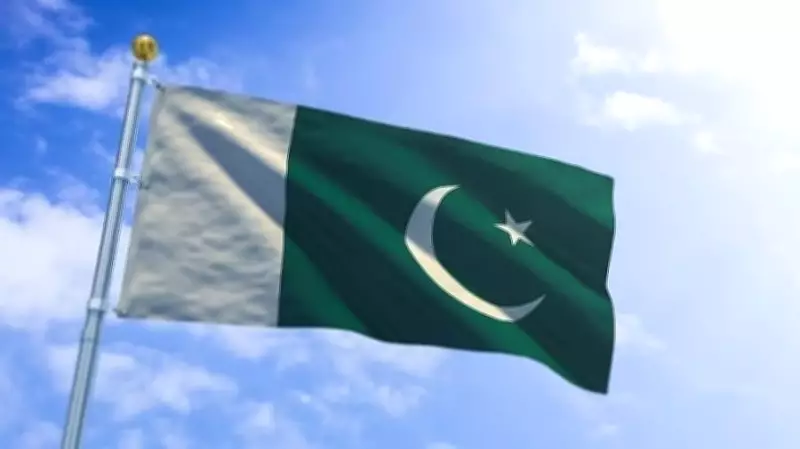
In a significant diplomatic development, Pakistan has officially expressed its willingness to host talks between the United States and Iran, as confirmed by the country's Foreign Office. This announcement comes against the backdrop of escalating tensions in West Asia, with Pakistan positioning itself as a potential mediator to facilitate dialogue and de-escalation between the two global powers.
Prime Minister Shehbaz Sharif's Announcement and Regional Context
Prime Minister Shehbaz Sharif's statement regarding Pakistan's readiness to host US-Iran talks was made public following media reports that highlighted covert diplomatic initiatives. These reports suggested that Pakistan, along with key regional allies Egypt and Turkiye, has been engaged in backdoor efforts to broker peace in the volatile West Asia region. The timing of this announcement underscores Pakistan's proactive role in international diplomacy, aiming to address the complex geopolitical dynamics that have fueled conflicts in the area.
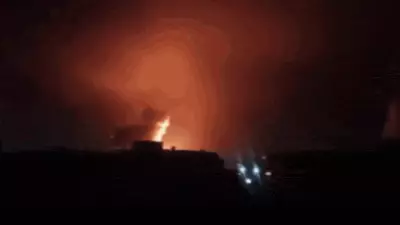
The West Asia conflict, characterized by longstanding disputes and recent flare-ups, has drawn global concern due to its potential to destabilize not only the region but also international security. Pakistan's offer to host talks reflects a strategic move to leverage its historical ties and diplomatic channels with both the United States and Iran, two nations often at odds over issues such as nuclear agreements, regional influence, and economic sanctions.

Details of Pakistan's Diplomatic Initiatives
According to sources, Pakistan's involvement in peace efforts is part of a broader, multi-faceted approach that includes:
- Backdoor Negotiations: Pakistan, Egypt, and Turkiye have reportedly been conducting discreet discussions to lay the groundwork for formal talks, focusing on confidence-building measures and conflict resolution frameworks.
- Regional Stability Focus: The initiative aims to reduce hostilities in West Asia, which could have ripple effects on global energy markets, security alliances, and humanitarian conditions.
- International Collaboration: By collaborating with Egypt and Turkiye, Pakistan seeks to present a united front from Muslim-majority nations, enhancing the credibility and effectiveness of the peace process.
The Foreign Office's confirmation adds an official layer to these efforts, signaling Pakistan's commitment to acting as a neutral venue for dialogue. This move is seen as an attempt to bolster Pakistan's international standing and contribute to global peacekeeping endeavors, especially in a region where it has historical and cultural connections.
Implications for US-Iran Relations and Global Diplomacy
If the talks materialize, they could mark a pivotal moment in US-Iran relations, which have been strained for decades. Key areas of discussion might include:
- Nuclear Deal Revitalization: Potential renegotiation or adherence to previous agreements to prevent proliferation.
- Regional Security: Addressing proxy conflicts and military postures in West Asia to prevent escalation.
- Economic Cooperation: Exploring avenues for sanctions relief and trade normalization to foster mutual benefits.
Pakistan's role as a host could facilitate a more conducive environment for negotiations, given its experience in mediating regional disputes and its non-aligned stance in certain international matters. However, challenges remain, including political will from both the US and Iran, as well as the complexity of the West Asia conflict involving multiple stakeholders.
In conclusion, Pakistan's offer to host US-Iran talks represents a bold step in international diplomacy, with the potential to influence peace in West Asia. As the situation evolves, the world will be watching closely to see if this initiative can translate into tangible progress toward stability and reconciliation in one of the globe's most turbulent regions.