Pakistan PM's Draft Social Media Post Coincides with US-Iran Ceasefire Deal
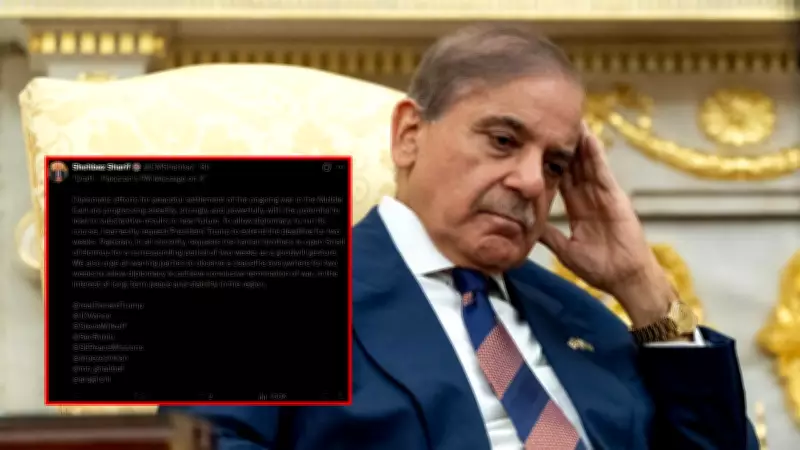
In a surprising turn of events, Pakistan Prime Minister Shehbaz Sharif briefly posted a message labeled as a "draft" on his official X account this Wednesday, just as the United States and Iran were moving towards a temporary truce. The post, which called for a two-week diplomatic pause in the ongoing conflict, was quickly edited to remove the draft heading, but its core content remained unchanged, highlighting a critical moment in international diplomacy.
Premature Posting and Diplomatic Urgency
The initial version of the post appeared with the heading "Draft – Pakistan’s PM Message on X", suggesting it had been shared prematurely before final review. Despite the swift removal of this label, the wording of the message stayed intact. In both versions, Prime Minister Sharif made a direct appeal to former US President Donald Trump, urging him to extend his deadline for military action by two weeks to allow negotiations to progress. He also called on Iran to reopen the Strait of Hormuz for the same period, describing this move as a goodwill gesture essential for regional stability.
The post explicitly stated: "We also urge all warring parties to observe a ceasefire everywhere for two weeks," framing this pause as crucial for achieving "long-term peace and stability in the region." Within hours of this social media activity, Washington and Tehran confirmed they had agreed to a two-week ceasefire, stepping back from the brink of a major escalation that had threatened to destabilize the Middle East further.

Trump's Shift and Pakistan's Role
This diplomatic breakthrough followed a dramatic shift by Donald Trump, who had earlier threatened sweeping strikes on Iranian infrastructure if Tehran failed to meet his demands. Instead, he paused planned attacks shortly before his own deadline, attributing the decision to conversations with Prime Minister Sharif and Pakistan’s military leadership. Trump expressed cautious optimism, stating, "A two week period will allow the Agreement to be finalised," signaling a potential path forward in the tense standoff.
Iran’s Supreme National Security Council confirmed its acceptance of the ceasefire and announced that talks with the United States would commence in Islamabad. The deal reportedly includes provisions linked to the reopening of the Strait of Hormuz, a critical global oil route that Iran had partially restricted during the height of the conflict, underscoring the economic stakes involved.
Ongoing Uncertainties and Regional Violence
However, uncertainty continues to cloud the agreement, with confusion emerging after Iran circulated differing versions of its proposed 10-point framework. Discrepancies particularly involved references to Iran’s nuclear programme, leading to mixed signals. Trump, who had initially described the plan as "workable", later dismissed parts of it without providing detailed elaboration, leaving room for interpretation and potential setbacks.
Despite the diplomatic momentum, violence has not fully subsided in the region. Missile alerts and strikes were reported across various areas, including Israel and Gulf states, even after the ceasefire announcement. The US military has halted offensive operations but continues defensive actions, while Israel and Iran have both accused each other of ongoing attacks, highlighting the fragile nature of the truce and the challenges in maintaining peace.
This developing story underscores the complex interplay of social media diplomacy, international negotiations, and regional conflicts, with Pakistan playing a pivotal role in facilitating dialogue between major global powers.