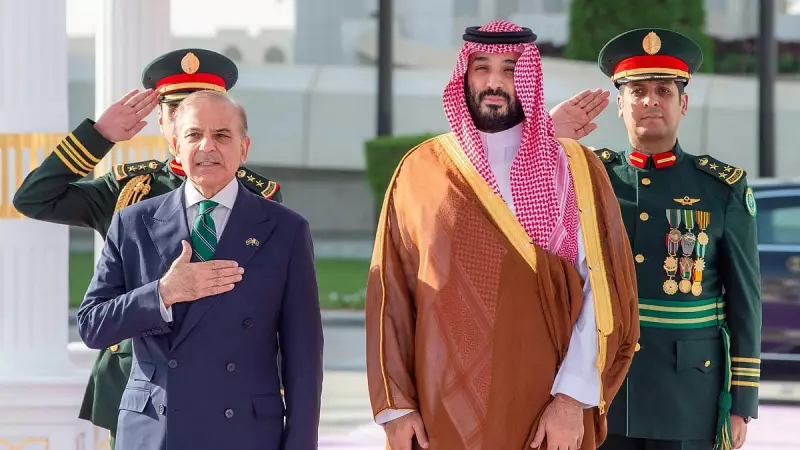
Pakistan and its long-standing ally Saudi Arabia are engaged in significant negotiations over a potential deal involving JF-17 Thunder fighter jets, according to a Reuters report. The talks, reported on 07 January 2026, underscore a strategic push to translate defence partnership into concrete military hardware exchanges.
A Strategic Partnership in Flux
The discussions are taking place against a backdrop of acute financial strain for Pakistan. The nation is actively seeking avenues to bolster its economy and secure foreign exchange. For Saudi Arabia, these talks represent a calculated move to diversify its security partnerships and reduce reliance on traditional allies. This shift is partly driven by Riyadh's desire to hedge against perceived uncertainties regarding long-term United States commitments in the Middle East region.
The Deal's Core: Jets for Financial Support
While exact terms remain confidential, the framework of the talks suggests a barter-like arrangement. Pakistan, which jointly manufactures the JF-17 Thunder fighter aircraft with China, is reportedly offering these jets to Saudi Arabia. In return, Islamabad is likely seeking crucial financial support, which could come in the form of loans, deferred payment plans, or direct economic assistance. This deal would operationalise defence cooperation that has largely been symbolic or limited to joint exercises and training in the past.

Broader Implications for Regional Security
This potential agreement carries weight beyond bilateral relations. A successful deal would mark a major milestone for Pakistan's defence exports and its strategic autonomy. It signals Saudi Arabia's intent to build a more self-reliant defence ecosystem and cultivate partnerships beyond the West. For the broader Middle East and South Asia, this deepening Pakistan-Saudi defence axis could influence regional power dynamics, especially at a time of shifting global alliances and ongoing conflicts.
The outcome of these negotiations, if successful, will demonstrate how economic necessity and strategic realignment are forging new forms of international defence and trade relationships. It highlights how nations are adapting to a multipolar world order by leveraging their unique military-industrial capabilities to address fiscal challenges.