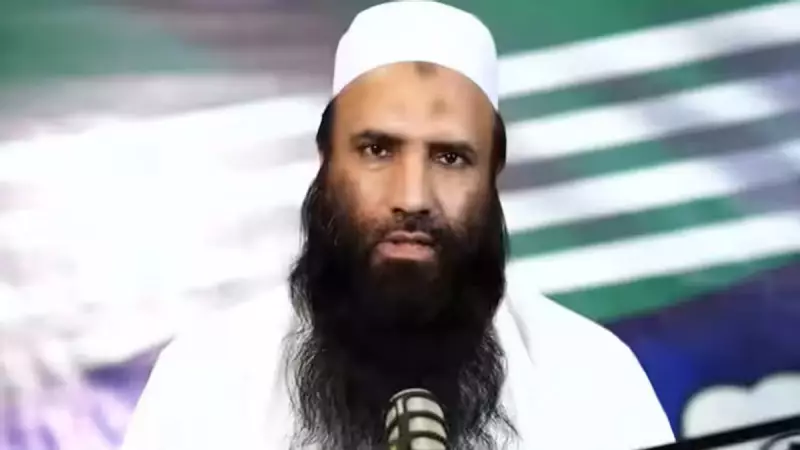
In a stunning revelation that has sent shockwaves through diplomatic circles, a former Pakistani parliamentarian has publicly confessed to the deep-seated nexus between the country's powerful military establishment and terrorist groups. The confession, made by ex-Member of the National Assembly (MNA) Saifullah Khan, also includes his expressed fears regarding India and a bizarre personal anecdote involving funeral prayers.
The Startling Confession of a Former Parliamentarian
Saifullah Khan, who served as a member of Pakistan's National Assembly, has come forward with a series of explosive claims. He has openly admitted to the existence of a direct link between the Pakistan Army and terrorist organizations. This confession, made in a public forum, provides a rare insider's account of the alleged collaboration that India and other nations have long accused Pakistan of fostering.
Khan's statements are not mere allegations from an outsider but a first-person admission from someone who was part of the country's political system. He detailed how this nexus operates, implicating the military establishment in activities that support and sustain terrorist networks within and beyond Pakistan's borders. His account adds significant weight to the international community's longstanding concerns.

Fears of India and a Personal Revelation
Beyond the central confession, Saifullah Khan made two other significant revelations. Firstly, he expressed a profound personal fear of India. This admission highlights the deep-seated anxieties that exist within certain Pakistani political circles regarding their eastern neighbor, often fueled by the very security policies Khan has now exposed.
Secondly, in a more personal and peculiar detail, Khan revealed that he was once invited by the Pakistan Army to lead funeral prayers. This incident, while seemingly minor, is presented as an example of the army's pervasive influence in all aspects of life, including religious and social ceremonies, further blurring the lines between state institutions and civilian affairs.
Implications for Regional Security and Diplomacy
The timing and nature of these confessions are critical. They emerge amidst ongoing tensions in the region and provide fresh ammunition for India's diplomatic stance on cross-border terrorism. For years, India has accused Pakistan of harboring and supporting terrorist groups that launch attacks on Indian soil, a claim Pakistan has consistently denied.
Khan's testimony directly undermines those denials. It suggests that the problem is not one of non-state actors operating independently, but of a systemic and institutionalized relationship between the state's most powerful institution—the army—and extremist elements. This has severe implications for:
- India-Pakistan Relations: It validates India's core security concerns, making future dialogue even more complex.
- International Scrutiny: It puts pressure on global bodies and allied nations to reassess their engagement with Pakistan's military establishment.
- Internal Pakistani Politics: It exposes the severe civilian-military rift and the challenges faced by those who dare to speak against the powerful army.
The confession by Saifullah Khan is more than just a political statement; it is a potent indictment of a dangerous status quo. It confirms the worst fears about the institutional support for terrorism in Pakistan. As the international community digests this revelation, the focus will now be on whether it leads to tangible accountability or becomes another footnote in the long and troubled history of terrorism in South Asia. For India, it is a grim vindication of its persistent warnings on the global stage.