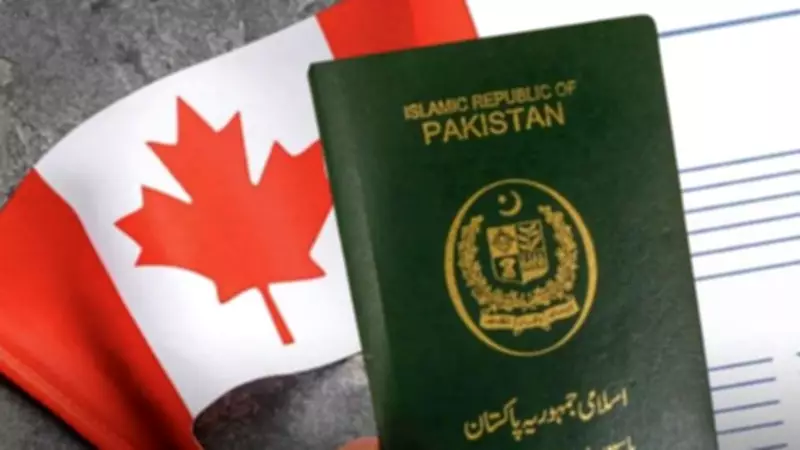
Pakistani Refugee Wins Judicial Review to Retain Canadian Status After Multiple Returns
A Pakistani refugee who made six trips back to his home country between 2016 and 2022 has successfully won a judicial review, granting him another opportunity to maintain his Canadian refugee status, as reported by the National Post. This case highlights the complex legal battles faced by refugees navigating international protection systems.
Background of the Refugee Claim
Irfan Ahmad arrived in Canada in 2014 under the "Convention Refugee Abroad" program. He claimed persecution as a member of the Ahmadi community, a religious minority in Pakistan that often faces discrimination and violence. Ahmad asserted that his life was at risk due to his religious beliefs, prompting his application for refugee protection in Canada.
Revocation of Refugee Status
Canadian immigration authorities later revoked Ahmad's refugee status after discovering he had traveled back to Pakistan on multiple occasions, spending a total of 336 days in the country. Additionally, Ahmad visited the Pakistani consulate in Toronto twice to obtain a passport, actions that raised questions about his claimed fear of persecution.

Canada's Refugee Protection Division ruled that Ahmad had "voluntarily re-availed himself of the protection of Pakistan" and failed to provide sufficient evidence to counter this finding. The tribunal noted inconsistencies in his accounts of persecution, which varied between fear of religious extremists and government authorities depending on his audience.
The RPD found Ahmad's statements to be inconsistent and pointed to his actions—including hosting a large wedding and bringing family members to Pakistan—as indicators of a lack of genuine fear of persecution. These factors led to the initial decision to revoke his refugee status.
Federal Court Ruling
On February 18, Federal Court Justice Avvy Yao-Yao Go ruled in favor of Ahmad, overturning the RPD's decision. Justice Go stated that the tribunal had identified inconsistencies "where none existed" and compounded this error by failing to consider key precautionary measures Ahmad took while in Pakistan, such as avoiding attendance at mosques to reduce risk from extremists.
"While the RPD noted the applicant's evidence that he did not attend mosque or engage with the broader community," Justice Go wrote, "the RPD never engaged with this evidence when conducting its analysis on the applicant's intention. Rather, the RPD focused on the fact that the applicant had a 'large wedding,' the duration of his visits, and the fact that the applicant brought his family to Pakistan, and found these factors to indicate a lack of subjective fear of persecution."
The court emphasized that by ignoring critical evidence that could rebut the intent to reavail, the RPD failed to meet its heightened duty to provide justified, transparent, and intelligible reasons for its decision. As a result, the court granted Ahmad a judicial review and ordered the case to be sent back for redetermination by a differently constituted panel of the Refugee Protection Division.
Legal Perspectives on the Case
Ahmad's lawyer, Daniel Kingwell, praised the ruling, stating, "We are very pleased with the judge's ruling. The court recognized that Mr. Ahmad had provided a number of reasons for returning to Pakistan that were not adequately assessed by the Board—in particular to attend to essential family duties including his marriage, the birth of his child, and the illnesses and deaths of his parents." Kingwell added that Ahmadi mosques are primary targets for extremists, and Ahmad's conduct in Pakistan was consistent with his ongoing need for refugee protection.
In contrast, immigration lawyer Sergio Karas questioned the decision, arguing that Ahmad's repeated and lengthy visits undermine his refugee claim. "While brief trips for emergencies may be understandable, multiple trips over an extended period of time, and remaining in the country of alleged persecution for weeks or months, seem to be at odds with the alleged fear of persecution. Also, obtaining Pakistani passports not once, but twice, points to a lack of concern for safety," Karas said.

Implications and Broader Context
This case underscores the nuanced legal standards applied in refugee determinations, where personal circumstances and procedural fairness play critical roles. The judicial review process serves as a check on administrative decisions, ensuring that refugees receive thorough and equitable consideration of their claims.
The outcome may influence future cases involving refugees who return to their home countries, highlighting the importance of assessing all evidence, including precautionary measures taken to avoid persecution. As global refugee crises continue, such legal precedents shape the protection frameworks in countries like Canada, balancing security concerns with humanitarian obligations.