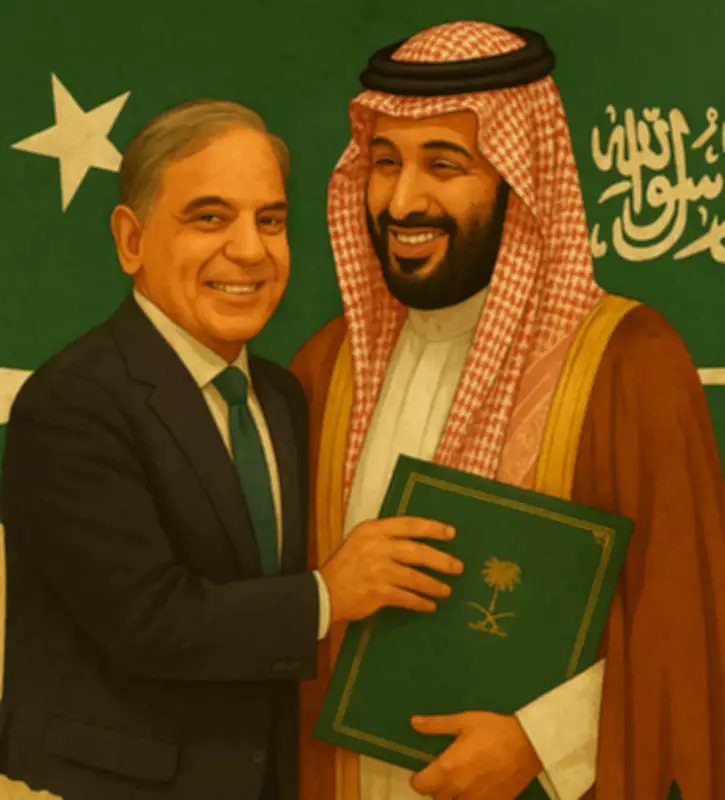
Pakistan's Strategic Dilemma: Will It Join Saudi Arabia's War Against Iran?
Pakistan is currently facing a significant and complex test on the international stage, as it contemplates whether to join Saudi Arabia's ongoing war against Iran. This decision carries profound implications for regional stability and Pakistan's own national interests.
Historical Caution and Current Pressures
Until now, Pakistan has made concerted efforts to avoid being drawn into the conflict involving Iran. This cautious approach has been largely driven by domestic constraints and pressing internal security concerns that demand priority attention from the government and military establishment.
However, this carefully maintained stance of neutrality could shift dramatically in the near future, as external pressures mount and strategic alliances are tested.

High-Level Military Discussions in Riyadh
The situation has reached a critical juncture following recent high-level military talks between Pakistani and Saudi officials. Pakistan's army chief, Field Marshal Asim Munir, recently met with Saudi Defence Minister Khalid bin Salman in Riyadh to discuss potential joint measures.
These discussions focused specifically on countering Iranian drone and missile strikes targeting Saudi Arabia, which have intensified in recent months. The talks represent a significant development in the bilateral relationship between Pakistan and Saudi Arabia.
The Defence Pact Framework
These military consultations are taking place within the framework of a defence pact signed by the two countries last year. This agreement established formal mechanisms for security cooperation and mutual defence assistance between Pakistan and Saudi Arabia.
The pact has created legal and strategic obligations that Pakistan must now carefully consider as it evaluates its response to Saudi requests for support against Iranian aggression.
Balancing Regional Alliances and Domestic Stability
Pakistan finds itself in a delicate balancing act between its longstanding alliance with Saudi Arabia and the need to maintain stable relations with neighboring Iran. The country's leadership must weigh several critical factors:
- Security implications of entering a regional conflict
- Economic consequences of potential sanctions or trade disruptions
- Domestic political stability amid potential public opposition
- Regional power dynamics and long-term strategic positioning
The decision Pakistan makes in the coming weeks could reshape the geopolitical landscape of South Asia and the Middle East, with far-reaching consequences for international security and diplomatic relations in the region.