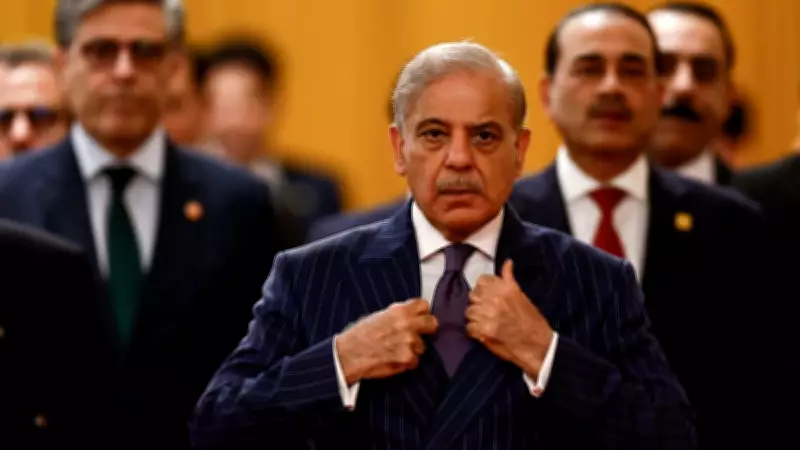
Pakistan finds itself at a crossroads as former U.S. President Donald Trump intensifies efforts to expand the Abraham Accords, urging more Muslim-majority nations to normalize relations with Israel. The accords, brokered by the Trump administration in 2020, saw the United Arab Emirates, Bahrain, Sudan, and Morocco establish diplomatic ties with Israel. Now, Trump's renewed push has placed Pakistan in a delicate position, balancing its longstanding support for the Palestinian cause against potential economic and diplomatic benefits.
Historical Context of Pakistan-Israel Relations
Pakistan has historically maintained a staunch pro-Palestinian stance, refusing to recognize Israel until a viable Palestinian state is established. This position is deeply rooted in the country's Islamic identity and foreign policy principles. However, behind the scenes, there have been quiet interactions, including intelligence cooperation and secret meetings, suggesting a pragmatic undercurrent.
Trump's Renewed Push for the Abraham Accords
Trump's recent statements signal a desire to broaden the accords, with Pakistan being a key target. The former president argues that normalization would foster regional stability, economic cooperation, and counter Iran's influence. For Pakistan, the incentives include potential U.S. investment, improved relations with Gulf states, and access to Israeli technology in agriculture, water management, and security.

Domestic and Geopolitical Pressures
However, the decision is fraught with challenges. Domestically, Pakistan's public opinion remains largely hostile to Israel, with strong support for Palestine across the political spectrum. Religious parties and civil society groups have warned against any move toward normalization. Geopolitically, Pakistan must consider its relationship with Iran and Turkey, both vocal critics of the accords. Additionally, China's growing influence in the region adds another layer of complexity.
Strategic Considerations
Analysts suggest that Pakistan's leadership is weighing the pros and cons carefully. On one hand, joining the accords could unlock economic opportunities and strengthen ties with the U.S. and Gulf nations. On the other hand, it risks alienating domestic constituents and regional allies. The military establishment, which plays a dominant role in foreign policy, is reportedly divided on the issue.
Potential Benefits
- Economic Gains: Normalization could attract foreign direct investment, especially from Israel and the U.S., boosting Pakistan's struggling economy.
- Diplomatic Leverage: Closer ties with Israel might enhance Pakistan's standing in Washington, potentially easing tensions over issues like Kashmir.
- Technology Transfer: Access to Israeli expertise in water conservation, agriculture, and cybersecurity could address critical domestic challenges.
Risks and Opposition
- Domestic Backlash: Any move toward Israel could trigger mass protests and political instability, as seen in other Muslim countries.
- Regional Isolation: Iran and Turkey have warned against normalization, and Pakistan risks straining ties with these key Muslim nations.
- Palestinian Cause: Abandoning the Palestinian cause could damage Pakistan's moral authority and leadership role in the Islamic world.
The Path Forward
Pakistan's dilemma is emblematic of the broader challenges faced by Muslim nations as they navigate changing dynamics in the Middle East. While the Abraham Accords have reshaped regional alliances, they have also deepened divisions. For Pakistan, the decision is not merely about Israel but about its identity and strategic direction. Some experts believe Pakistan may opt for a phased approach, starting with low-level diplomatic engagement rather than full normalization. Others argue that the status quo may persist until there is a shift in public opinion or a change in the Palestinian situation.

Conclusion
As Trump pushes for more Muslim countries to embrace the Abraham Accords, Pakistan stands at a critical juncture. The choice between joining the accords and maintaining its traditional stance carries profound implications for its future. The world watches closely as Pakistan grapples with this dilemma, knowing that its decision could influence other reluctant nations and reshape the geopolitical landscape of the region.