

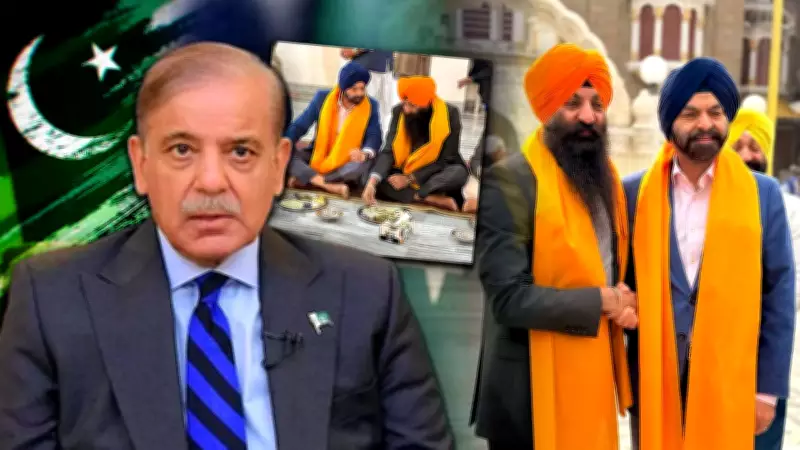
Pakistan's Contradictory Stance: Cricket Nationalism vs. Economic Realities
In a stark display of political hypocrisy, Pakistan has once again demonstrated the emptiness of its nationalist rhetoric. While steadfastly refusing to engage in cricket matches with India—a move widely seen as weaponizing sports for domestic political theater—the nation rolled out an unprecedented red carpet for Indian-born World Bank President Ajay Banga during his recent visit to Islamabad.
The Cricket Boycott: Political Theater for Domestic Consumption
Pakistan's continued boycott of cricket matches against India represents what many analysts describe as "camera-friendly nationalism." This sporting refusal generates heated television debates and rallies domestic sentiment, yet serves little substantive purpose beyond political optics. The decision to avoid athletic competition with its neighbor has become a recurring theme in Pakistan's foreign relations playbook, despite cricket's immense popularity across both nations.
Economic Desperation: The Driving Force Behind Policy Shifts
The elaborate welcome extended to World Bank chief Ajay Banga reveals Pakistan's true priorities. With its economy teetering on the brink—burdened by massive debt obligations, rapidly depleting foreign reserves, and heavy dependence on international financial institutions—Islamabad finds itself in a precarious position. The country's economic survival hinges on securing continued funding and support from global lenders like the World Bank.

Pakistan's financial predicament has become so dire that traditional nationalist posturing takes a backseat when economic necessities arise. This creates a glaring contradiction: while Indian origins are frequently politicized and criticized in domestic discourse, the same heritage is celebrated when it accompanies potential financial assistance.
The World Bank's Clarification and Pakistan's Symbolic Gestures
Despite Pakistan's enthusiastic reception, Ajay Banga has made clear that the World Bank serves merely as a facilitator regarding the Indus Waters Treaty, not as an arbitrator in disputes between India and Pakistan. This clarification underscores how Pakistan's elaborate welcome represents symbolism over substance—a carefully choreographed performance designed to curry favor with a crucial financial institution.
Public Reaction and Online Discourse
The contradictory approach has not gone unnoticed by Pakistani citizens themselves. Across social media platforms and online forums, many Pakistanis have questioned their government's selective application of nationalist principles. Why is Indian heritage politically weaponized in some contexts but enthusiastically embraced when financial assistance is required? This question has sparked considerable debate about the consistency and authenticity of Pakistan's foreign policy positions.
Beyond Foreign Policy: Financial Compulsion in Disguise
What Pakistan presents as calculated foreign policy is, in reality, financial compulsion dressed in the garments of selective nationalism. The country's economic vulnerabilities have created a situation where pragmatic survival instincts override ideological consistency. This pattern reveals how nations facing severe economic crises often prioritize immediate financial needs over long-standing political postures.
The juxtaposition between cricket boycotts and the warm welcome for Ajay Banga illustrates a fundamental truth about international relations: while nationalist rhetoric may dominate headlines and domestic politics, economic realities ultimately dictate policy decisions. Pakistan's approach serves as a case study in how financial desperation can reshape diplomatic behavior, creating apparent contradictions that reflect deeper structural weaknesses.






