

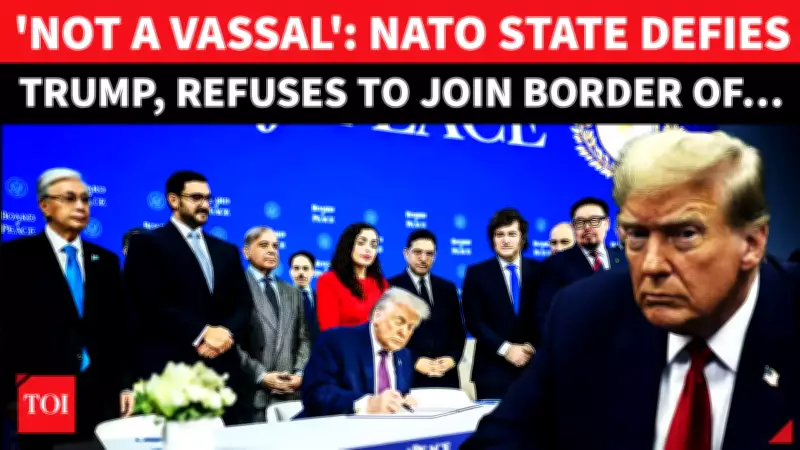
Poland Firmly Declines Trump's Board of Peace Invitation Amid NATO Concerns
In a significant diplomatic development, Polish Prime Minister Donald Tusk has publicly rejected an invitation from former U.S. President Donald Trump to participate in the proposed "Board of Peace." Tusk emphasized Poland's stance as a "loyal ally, not a vassal," highlighting growing tensions within NATO and the European Union over the initiative's expansion and controversial participant list.
Expansion of the Board of Peace Raises Eyebrows in Europe
Originally conceived as a platform to support peace efforts in Gaza, the Board of Peace has evolved into a broader international proposal under Trump's vision. However, its expansion has not been met with universal approval. European officials, particularly from EU capitals, have expressed caution and concern as invitations have been extended to countries including Russia and Belarus. This move is viewed by many as potentially undermining existing alliances and diplomatic frameworks.
The inclusion of Russia and Belarus in the initiative has sparked alarm, given ongoing geopolitical tensions and conflicts involving these nations. Critics argue that such invitations could legitimize aggressive actions and complicate efforts for stability in regions like Eastern Europe and the Middle East.

Poland's Strong Stance Reflects Broader NATO Apprehensions
Prime Minister Tusk's rejection underscores a broader sentiment within NATO, where member states are wary of initiatives that might dilute the alliance's cohesion or align with adversarial powers. Poland, as a key NATO member on the eastern flank, has historically prioritized strong ties with the United States and the EU, making this public refusal particularly notable.
"We stand firm in our commitments to our allies and will not be swayed by proposals that risk our sovereignty or international standing," Tusk stated, reinforcing Poland's dedication to existing partnerships over new, uncertain ventures.
Implications for International Diplomacy and Peace Efforts
The Board of Peace initiative, while aimed at fostering dialogue, now faces significant hurdles due to mixed reactions from global leaders. Key points of contention include:
- Credibility Concerns: Inviting nations with contentious international records may undermine the board's effectiveness in promoting genuine peace.
- Alliance Strain: The proposal has the potential to create rifts within NATO and the EU, as members weigh loyalty against exploratory diplomacy.
- Future Prospects: Without broader support, the initiative may struggle to gain traction, impacting Trump's diplomatic legacy and ongoing peace efforts in conflict zones.
As discussions continue, the international community watches closely to see how other nations will respond to similar invitations and whether the Board of Peace can overcome these early setbacks to achieve its stated goals.






