Punjab Chief Minister Reaches Out to UK for Historical Trial Recordings
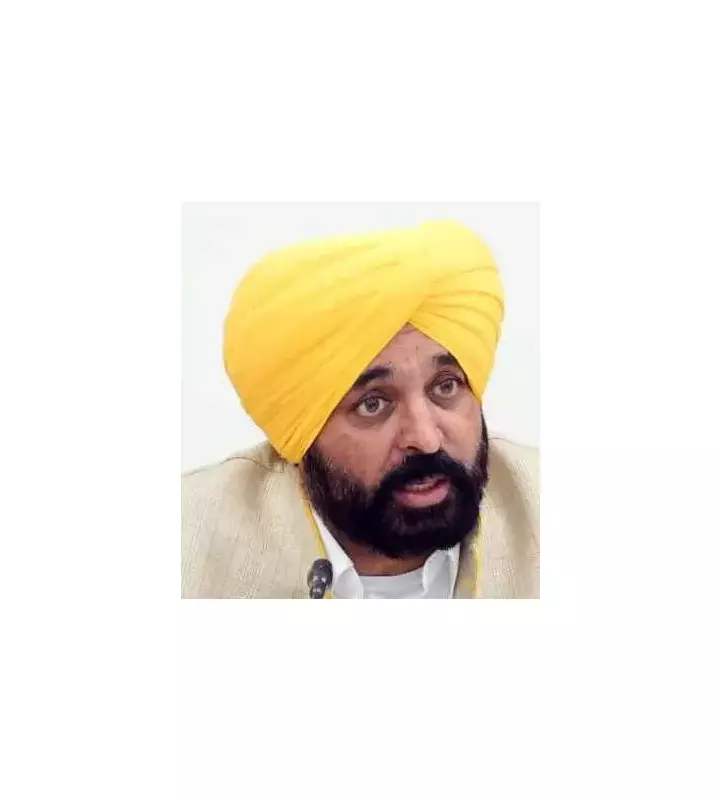
Punjab Chief Minister Bhagwant Mann has taken a significant step in his quest to uncover historical records. He has written a formal letter to British Deputy High Commissioner Alba Smeriglio. In this communication, Mann specifically requests access to audio or video recordings related to the trial proceedings of freedom fighters Bhagat Singh, Rajguru, and Sukhdev.
The Historical Context and Current Demand
This demand presents an interesting historical challenge. Audio or video recording of trials was extremely uncommon during the era when these three revolutionaries faced justice. The British colonial authorities sentenced them to death in October 1930. Their execution followed in March 1931. Despite this technological limitation of the time, Mann persists in his search for any existing recordings.
Mann's letter reveals specific information about the potential location of these materials. He states that authorities in Scotland reportedly hold the original audio or video recordings and archival documentation. These items are supposedly preserved in a museum or institution that maintains historical legal archives from that period.

Significance and Purpose of the Request
The Punjab Chief Minister emphasizes the profound importance of these records. He writes that they hold deep historical and emotional significance for the people of Punjab. Global scholars of history and human rights would also find them valuable.
Mann outlines clear purposes for seeking these materials. The Government of Punjab wants access for academic study. They plan digital preservation of any records obtained. Additionally, they intend to create a public exhibition at the Shaheed Bhagat Singh Heritage Complex in Khatkar Kalan.
Formal Request and Diplomatic Appeal
In his correspondence, Mann urges the British Deputy High Commissioner to take up the matter with concerned authorities in Scotland. He seeks facilitation of access to the archival material. Alternatively, he requests guidance on the formal procedure required to obtain copies for preservation and display purposes.
Mann concludes his letter with a diplomatic appeal. He suggests that providing access would represent a significant step in honoring shared history. Such a gesture would acknowledge universal ideals of justice, sacrifice, and human dignity.
Parallel Efforts in Pakistan
This is not the first time such demands have surfaced regarding these historical cases. Over a decade ago, a similar demand emerged in Pakistan. In 2013, Lahore-based Bhagat Singh Memorial Foundation chairman Imtiaz Rasheed Qureshi filed a petition in the Lahore High Court.
Qureshi sought the reopening of the 1928 Lahore conspiracy case. This case related to the killing of then Assistant Superintendent of Police John P. Saunders. He argued that the original case failed to meet requirements of justice. According to Qureshi, due process was not properly followed.
Legal Arguments from Pakistan
The Pakistani petitioner made specific legal claims about the original trial. He stated that the death sentences awarded to Bhagat Singh, Shivaram Rajguru, and Sukhdev Thapar were pronounced without recording testimonies of nearly 450 witnesses. He also claimed the accused received no opportunity to appeal their sentences.
Qureshi demanded that the three freedom fighters be declared innocent. He pointed to a specific evidentiary gap. Bhagat Singh's name did not appear in the FIR registered at Anarkali Bazaar police station on December 17, 1928, following Saunders' killing.
Current Status of Pakistani Petition
The last hearing in this Pakistani case occurred on February 3, 2016. During that hearing, Qureshi sought the constitution of a larger bench. He argued that the original death sentence had been awarded by a three-judge bench, necessitating a larger panel for review.
Speaking from Lahore recently, Qureshi expressed frustration with the delay. "We have been waiting endlessly for the petition to be taken up," he stated. He revealed his immediate plans: "Soon, I will write to the Lahore High Court Chief Justice to request that the matter be listed."

These parallel efforts in India and Pakistan highlight the enduring historical interest in the cases of these iconic freedom fighters. Both nations continue to seek clarity and justice regarding events from nearly a century ago.