

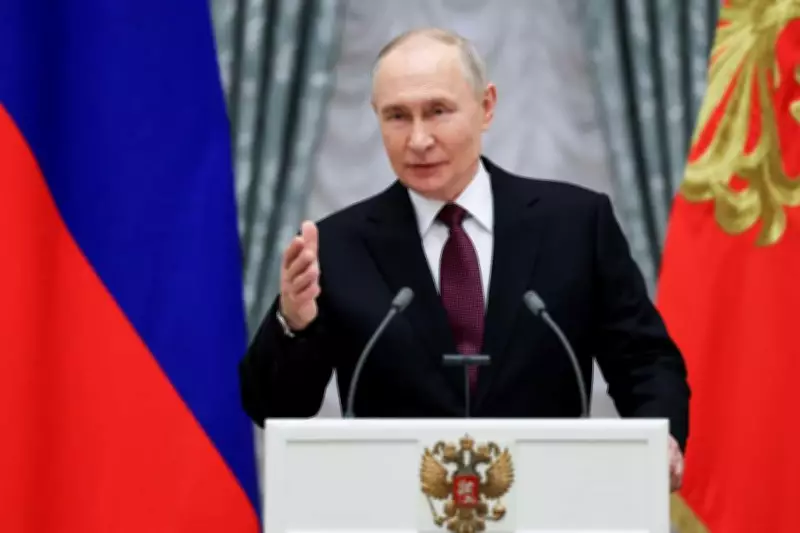
Putin Sends Nowruz Greetings to Iran, Reaffirms Russia's Solidarity
Russian President Vladimir Putin has extended warm Nowruz wishes to Iran, reinforcing Moscow's position as a steadfast ally to Tehran during a period of heightened tensions in the Middle East. This gesture underscores the deepening strategic partnership between the two nations, which has been a cornerstone of regional diplomacy in recent years.
Nowruz Celebrations Amidst Geopolitical Strain
Nowruz, the Persian New Year celebrated on March 21, marks a time of renewal and hope. In his message, Putin emphasized Russia's commitment to Iran, describing it as a loyal friend. This comes at a critical juncture, as the Middle East faces ongoing conflicts and diplomatic challenges that have drawn global attention.
The timing of Putin's greetings is significant, as it aligns with Iran's efforts to navigate complex geopolitical dynamics. By publicly backing Tehran, Russia is signaling its support for Iran's sovereignty and regional interests, which could influence broader international relations.

Strategic Implications of Russia-Iran Ties
The relationship between Russia and Iran has evolved into a key axis in Middle Eastern politics. Both countries have collaborated on various fronts, including military cooperation, energy projects, and diplomatic initiatives. Putin's Nowruz message serves as a reminder of this alliance, which often counters Western policies in the region.
Experts note that this solidarity could bolster Iran's position in ongoing negotiations and conflicts. For instance, in the context of nuclear talks or regional proxy wars, Russia's endorsement provides Tehran with additional leverage. This partnership is not merely symbolic; it has tangible effects on security and economic landscapes across the Middle East.
Regional Tensions and Global Reactions
The Middle East is currently grappling with multiple flashpoints, from the Israel-Hamas conflict to tensions in the Persian Gulf. Putin's gesture of support for Iran may be seen as a move to stabilize the region or, conversely, as a provocation by other global powers. This development highlights the intricate balance of power in international affairs.
Reactions from other nations, such as the United States and European countries, are likely to be closely monitored. They have often expressed concerns over the Russia-Iran alliance, viewing it as a challenge to their interests. Putin's Nowruz wishes could thus spark further diplomatic discussions or escalations, depending on how it is interpreted by various stakeholders.
Conclusion: A Symbol of Enduring Partnership
In summary, Vladimir Putin's Nowruz greetings to Iran are more than a seasonal courtesy; they are a strategic affirmation of Russia's loyalty to Tehran. As Middle East tensions persist, this act of solidarity reinforces the bond between Moscow and Tehran, with potential ripple effects on global politics. The world will be watching how this relationship unfolds in the coming months, shaping the future of regional stability and international diplomacy.






