

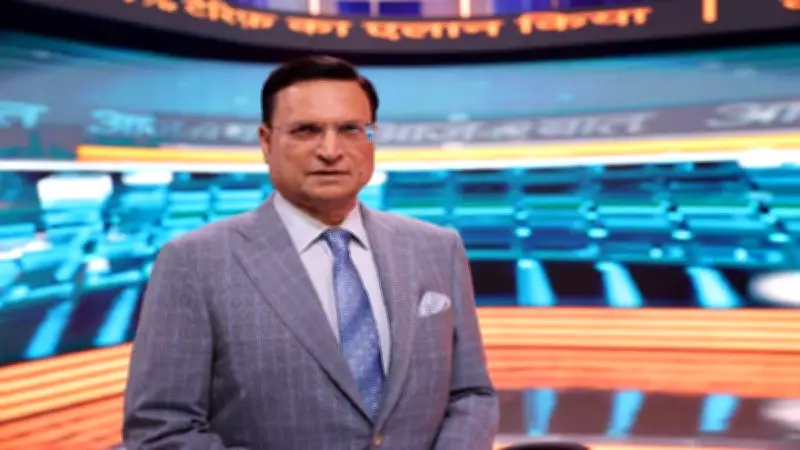
Rajat Sharma Analyzes Conflict Dynamics: Ceasefire a Near-Term Possibility
In a detailed commentary on the current geopolitical situation, prominent journalist Rajat Sharma has offered a nuanced perspective on the ongoing conflict. He posits that while a comprehensive end to the war might not be imminent, there is a tangible possibility for a ceasefire to be established in the foreseeable future.
Understanding the Complexities of Modern Warfare
Sharma delves into the intricate factors that prolong conflicts, emphasizing that wars in the contemporary era are often driven by deep-seated political, economic, and ideological divisions. He notes that these multifaceted issues make swift resolutions challenging, as they require extensive diplomatic efforts and mutual concessions from all involved parties.
The path to peace is rarely linear, Sharma asserts, highlighting how historical precedents show that conflicts can persist for years before reaching a definitive conclusion. However, he remains optimistic about interim measures that can mitigate hostilities.

The Viability of a Ceasefire Agreement
According to Sharma, a ceasefire represents a pragmatic step towards de-escalation. He explains that such agreements, though temporary, can provide a crucial breathing space for negotiations, humanitarian aid, and confidence-building measures between warring factions.
- Ceasefires allow for the delivery of essential supplies to affected populations.
- They create opportunities for back-channel diplomacy to address core disputes.
- Temporary halts in fighting can prevent further loss of life and infrastructure damage.
In this context, Sharma argues that a ceasefire is not merely a pause but a strategic tool that can pave the way for more sustainable peace talks. He cites examples from past conflicts where ceasefires have eventually led to longer-term resolutions, albeit after periods of tension and renewal.
India's Role and Regional Implications
Sharma also touches upon India's stance in the conflict, noting that as a key regional player, India has a vested interest in stability. He suggests that India could leverage its diplomatic channels to advocate for a ceasefire, emphasizing dialogue over confrontation.
The analysis underscores that regional dynamics play a significant role in conflict resolution. Sharma points out that neighboring countries and international bodies often influence the feasibility of ceasefires, making coordinated efforts essential.
Ultimately, Sharma's commentary serves as a reminder that while the road to ending wars may be long, proactive steps like ceasefires can offer hope and reduce immediate suffering. His insights encourage a focus on achievable goals in conflict management, rather than waiting for elusive final settlements.






