

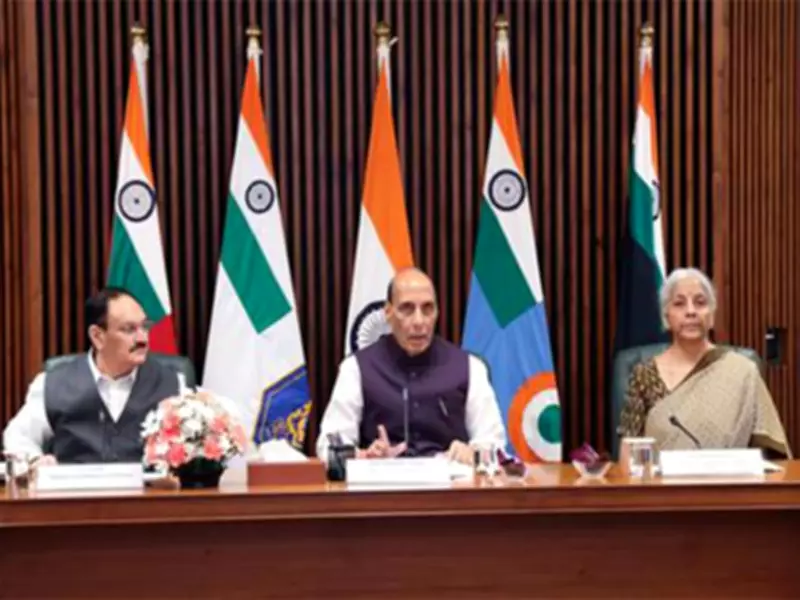
Rajnath Singh Chairs Inaugural IGOM Meeting on West Asia Crisis
Defence Minister Rajnath Singh presided over the first meeting of the Inter-Ministerial Group of Ministers (IGOM) convened to address the escalating situation in West Asia. The high-level gathering underscored the Indian government's commitment to formulating a robust and unified strategy in response to the regional turmoil.
Call for a Proactive and Coordinated National Response
During the meeting, Singh emphasized the critical need for a proactive and coordinated response from all relevant ministries and departments. He highlighted that the evolving geopolitical landscape in West Asia demands swift and decisive action to safeguard India's national interests and ensure the safety of its citizens abroad.
The Defence Minister stressed that a fragmented approach would be ineffective, urging officials to work in close collaboration. "Our response must be seamless and well-coordinated, leaving no room for gaps in our strategy," Singh reportedly stated, setting the tone for future deliberations.

Key Agenda and Strategic Discussions
The IGOM meeting focused on several pivotal areas, including:
- Assessment of Regional Security Threats: A detailed analysis of the current security challenges in West Asia and their potential impact on India.
- Evacuation and Safety of Indian Nationals: Strategies to ensure the protection and safe repatriation of Indian citizens residing in conflict-affected zones.
- Diplomatic and Economic Measures: Exploring diplomatic channels and economic policies to mitigate the crisis's effects on India's trade and bilateral relations.
- Defence and Intelligence Coordination: Enhancing cooperation between defence and intelligence agencies to monitor developments and prepare contingency plans.
Officials from key ministries, including External Affairs, Home Affairs, Commerce, and Finance, participated in the discussions, reflecting a whole-of-government approach to the crisis.
Implications for India's Foreign Policy
This inaugural IGOM meeting marks a significant step in India's foreign policy machinery, demonstrating a shift towards more integrated and agile decision-making in times of international crises. By establishing this inter-ministerial group, the government aims to streamline responses and avoid bureaucratic delays that could compromise national security and diplomatic efforts.
The proactive stance advocated by Rajnath Singh aligns with India's broader strategic objectives of maintaining stability in key regions and protecting its economic and security interests globally. As the situation in West Asia continues to evolve, the outcomes of this meeting are expected to shape India's subsequent actions and engagements in the region.






