Defence Minister Rajnath Singh Advocates for Deeper India-Germany Defence Industrial Collaboration in Berlin
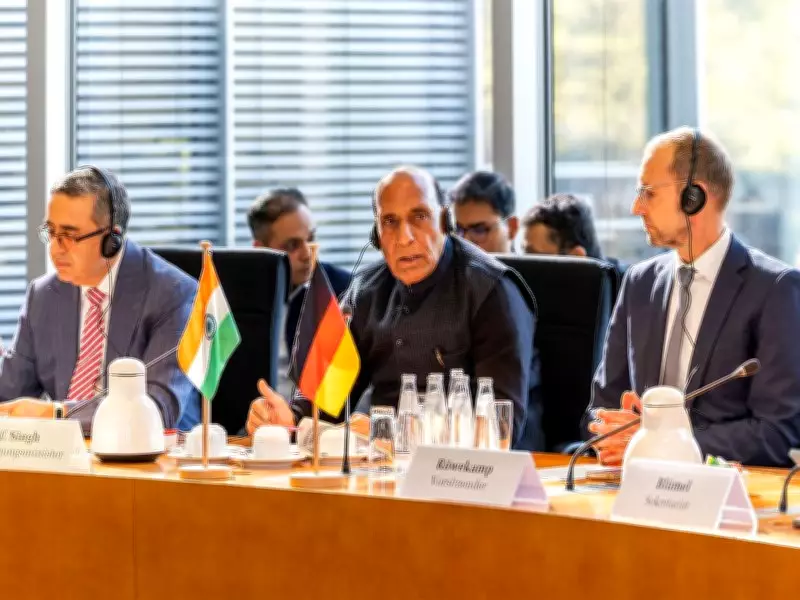
During a significant diplomatic engagement in Berlin, Defence Minister Rajnath Singh has called for a substantial enhancement in defence industrial partnerships between India and Germany. This appeal underscores a strategic push to bolster bilateral ties in the critical sector of defence manufacturing and technology.
Focus on Co-Development and Technology Transfer
In his discussions with German counterparts, Singh emphasized the importance of moving beyond traditional buyer-seller relationships. He advocated for a more integrated approach involving co-development and co-production of defence equipment. This shift aims to leverage the technological prowess of German industries with India's growing manufacturing capabilities under initiatives like Make in India.
The minister highlighted that such partnerships could encompass a wide range of areas, including advanced weapon systems, maritime security solutions, and aerospace technologies. By fostering joint ventures and technology transfers, both nations can achieve greater self-reliance and innovation in defence sectors.

Strategic Importance of the India-Germany Defence Axis
The call for enhanced collaboration comes at a time when global defence dynamics are rapidly evolving. India, as a key player in the Indo-Pacific region, seeks to diversify its defence procurement and reduce dependency on any single source. Germany, with its robust industrial base and cutting-edge technology, presents a valuable partner in this endeavor.
Singh's visit to Berlin is part of a broader effort to strengthen India's defence diplomacy with European nations. It aligns with India's objective of building a resilient defence ecosystem through international cooperation. The discussions also touched upon shared security challenges, such as terrorism and regional stability, further cementing the strategic alignment between the two countries.
Potential Impact on Defence Manufacturing and Employment
An intensified India-Germany defence industrial partnership is expected to have far-reaching implications. It could spur job creation in both countries, boost export opportunities, and enhance technological capabilities. For India, this aligns with the government's vision of achieving Atmanirbhar Bharat (self-reliant India) in defence production.
Moreover, such collaborations can lead to the development of next-generation defence systems that are cost-effective and tailored to specific operational needs. This not only strengthens national security but also positions India and Germany as leaders in the global defence market.
Looking Ahead: Future Prospects and Challenges
While the prospects are promising, realizing these enhanced partnerships will require addressing regulatory hurdles, intellectual property rights, and alignment of strategic interests. Singh's proactive stance in Berlin sets a positive tone for future negotiations and joint initiatives.
As both nations navigate the complexities of international defence trade, continued dialogue and mutual trust will be key. The emphasis on a defence industrial partnership rather than mere transactions reflects a mature and forward-looking approach to bilateral relations.