

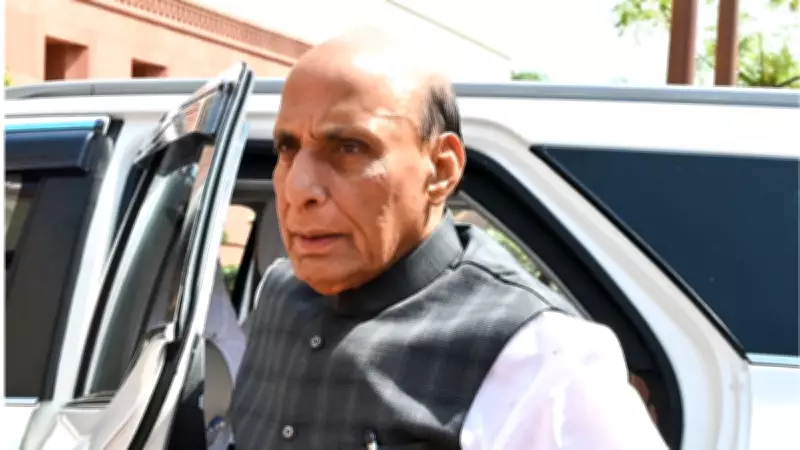
Defence Minister Rajnath Singh's Germany Visit: Submarine Deal, AI & Cybersecurity on Agenda
Defence Minister Rajnath Singh is set to embark on a significant three-day official visit to Germany, commencing on April 21. This high-profile diplomatic mission is poised to strengthen strategic and defence cooperation between India and Germany, with a particular emphasis on a major submarine deal, advancements in artificial intelligence, and enhanced cybersecurity partnerships.
Key Focus Areas of the Visit
The visit is strategically timed to address critical areas of mutual interest. A primary objective is to advance discussions on a substantial submarine acquisition deal, which is crucial for India's naval modernization efforts. Additionally, the agenda includes fostering collaboration in cutting-edge technologies such as artificial intelligence and bolstering cybersecurity frameworks to address emerging global threats.
Submarine Deal: A Cornerstone of Naval Cooperation
One of the most anticipated aspects of Rajnath Singh's visit is the progress on the submarine deal. This agreement is expected to involve the procurement of advanced submarines from Germany, significantly enhancing India's underwater warfare capabilities. The deal underscores the deepening defence ties between the two nations and aligns with India's goal of achieving self-reliance in defence manufacturing under the 'Make in India' initiative.

Artificial Intelligence and Cybersecurity: Future-Ready Partnerships
Beyond traditional defence hardware, the visit will explore partnerships in emerging domains. Artificial intelligence collaboration is on the table, aiming to leverage German expertise in AI for defence applications, including autonomous systems and data analytics. Simultaneously, cybersecurity discussions will focus on joint efforts to protect critical infrastructure and combat cyber threats, reflecting the growing importance of digital security in bilateral relations.
Strategic Implications and Bilateral Relations
Rajnath Singh's visit is expected to yield significant outcomes that could reshape Indo-German relations. By focusing on high-tech defence and security cooperation, both countries aim to build a robust partnership that addresses contemporary challenges. This engagement also highlights Germany's role as a key European ally for India in defence and technology sectors, potentially leading to long-term strategic benefits.
ConclusionAs Defence Minister Rajnath Singh heads to Germany, all eyes are on the potential breakthroughs in the submarine deal, AI, and cybersecurity. This visit not only aims to secure immediate defence capabilities but also to forge a forward-looking alliance that positions India and Germany as collaborative leaders in global security and innovation. The outcomes could have lasting impacts on regional stability and technological advancement.






