

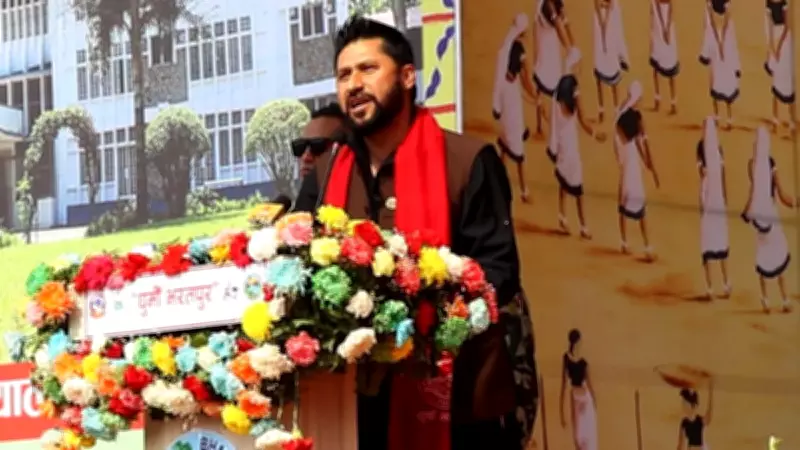
RSP Chairman Lamichhane Calls for Development Diplomacy to Boost Nepal-India Ties
In a significant move aimed at fostering stronger bilateral relations, Rastriya Swatantra Party (RSP) Chairman Rabi Lamichhane has announced that his party will actively pursue a strategy of development diplomacy to enhance ties between Nepal and India. This approach focuses on leveraging economic and infrastructural cooperation as a cornerstone for mutual growth and stability in the region.
Focus on Economic and Infrastructural Collaboration
Lamichhane emphasized that development diplomacy involves prioritizing joint projects and initiatives that benefit both nations. Key areas of focus include:
- Infrastructure Development: Enhancing cross-border connectivity through roads, railways, and energy grids to facilitate trade and movement.
- Economic Partnerships: Promoting investments and business ventures that create jobs and boost local economies in Nepal and India.
- Technological Exchange: Sharing expertise in sectors like agriculture, healthcare, and education to drive innovation and progress.
This strategy aims to move beyond traditional diplomatic channels by embedding cooperation in tangible, development-oriented activities that directly impact the lives of citizens in both countries.

Historical Context and Current Challenges
Nepal and India share a long-standing relationship characterized by cultural, economic, and political ties. However, recent years have seen occasional strains due to issues such as border disputes and trade imbalances. Lamichhane's proposal for development diplomacy seeks to address these challenges by:
- Building trust through collaborative projects that demonstrate mutual benefits.
- Reducing dependency on aid by fostering self-sustaining economic growth.
- Encouraging people-to-people connections that strengthen societal bonds.
By focusing on shared development goals, the RSP hopes to create a more resilient and cooperative framework for Nepal-India relations.
Implications for Regional Stability and Growth
The push for development diplomacy by the RSP, under Lamichhane's leadership, could have far-reaching implications for South Asia. It aligns with broader regional efforts to promote peace and prosperity through economic integration. Key potential outcomes include:
- Enhanced Regional Security: Stronger economic ties often lead to reduced tensions and increased stability.
- Boosted Trade Volumes: Improved infrastructure can facilitate smoother trade flows, benefiting both economies.
- Increased Foreign Investment: A stable bilateral environment may attract more international investors to the region.
Lamichhane stressed that this approach is not just about diplomatic rhetoric but about actionable plans that deliver real results for Nepal and India.
Future Prospects and Party Strategy
As the RSP prepares to implement this vision, Lamichhane outlined several steps the party will take:
- Engaging with Indian counterparts to identify priority projects for joint development.
- Advocating for policy reforms in Nepal to create a more conducive environment for cross-border cooperation.
- Raising public awareness about the benefits of development diplomacy to garner support.
This initiative reflects the RSP's commitment to pragmatic and progressive politics, aiming to position Nepal as an active partner in regional development efforts.
In conclusion, Rabi Lamichhane's emphasis on development diplomacy marks a strategic shift in how Nepal approaches its relationship with India. By focusing on collaborative growth and tangible outcomes, the RSP seeks to build a stronger, more prosperous future for both nations, reinforcing the importance of diplomacy rooted in mutual development.






