US Secretary of State Marco Rubio Signals Potential NATO Reassessment After Iran Conflict
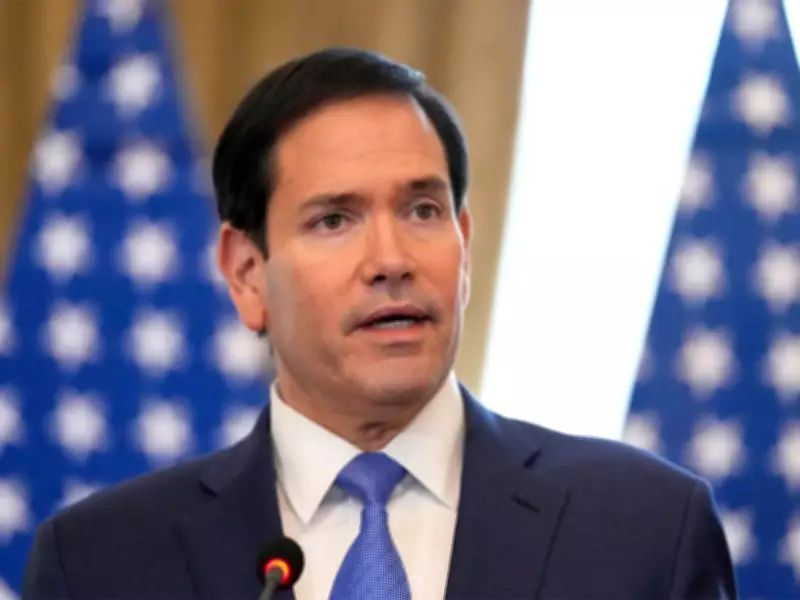
In a significant statement on Tuesday, US Secretary of State Marco Rubio indicated that Washington may need to fundamentally "reassess" its longstanding relationship with the North Atlantic Treaty Organization (NATO) following the conclusion of the ongoing war with Iran. Speaking during an interview with Fox News, Rubio emphasized that the final decision would rest with President Donald Trump, but he laid out a stark rationale for reconsidering America's role in the alliance.
Rubio's Critique of NATO as a "One-Way Street"
Rubio, who described himself as "one of the strongest defenders of NATO" during his tenure in the US Senate, expressed deep frustration with current dynamics. He argued that if NATO allies are unwilling to permit the United States to utilize their military bases to defend American interests, then the alliance becomes a "one-way street." This criticism comes amid reports that Spain has barred American aircraft involved in the Iran conflict from its airspace, while Italy has declined to allow US bombers bound for the Middle East to land at its air bases.
The secretary of state pointedly questioned: "When we need them to allow us to use their military bases, their answer is 'No?' Then why are we in NATO? You have to ask that question." He clarified that Washington is not requesting allies to conduct airstrikes against Iran, but the refusal to provide base access has raised serious concerns about the alliance's utility to US national security.

Context of Trump's Criticism and Global Tensions
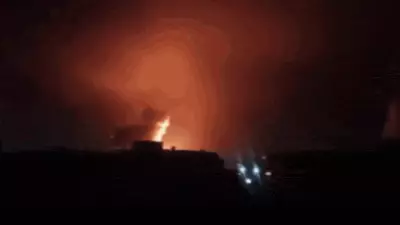
Rubio's remarks align with President Trump's repeated criticisms of NATO allies for failing to support American efforts to reopen the Strait of Hormuz. This vital global chokepoint, which carries approximately 20% of the world's crude oil supply, has been effectively blocked by Iran in response to US-Israeli strikes on February 28 that triggered the wider Middle East conflict. The strategic importance of the strait underscores the high stakes involved in the current military and diplomatic standoff.
Notably, the United Kingdom initially refused to allow the US to use an RAF base before later reversing its decision, highlighting the volatile and contentious nature of alliance cooperation during this crisis. These developments have fueled debates within the Trump administration about the future of US commitments to NATO, which has been a cornerstone of American foreign policy since its inception in 1949.
Implications for Post-War US-NATO Relations
Looking ahead, Rubio suggested that once the Iran conflict is resolved, the United States will need to "take a fresh look" at its NATO relationship and "reconsider what NATO brings to our country within that alliance." This potential reassessment could have far-reaching consequences for global security architecture, especially if it leads to a reduction in US military presence or financial contributions to NATO operations.
The secretary of state's comments reflect a broader shift in US foreign policy under the Trump administration, which has often prioritized bilateral agreements over multilateral alliances. As tensions with Iran continue to simmer, the willingness of NATO members to accommodate US strategic needs will likely remain a key point of contention, shaping the trajectory of transatlantic relations in the post-war era.