

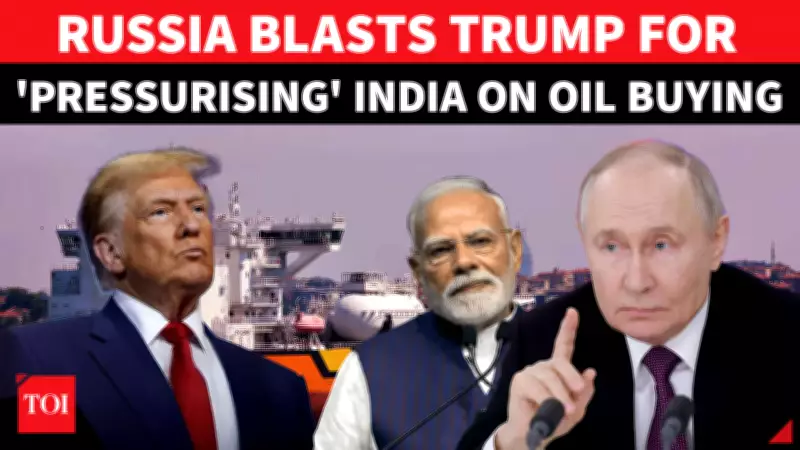
Russia Levels Serious Accusations Against United States Over Oil Diplomacy
In a significant diplomatic development, Russian Foreign Minister Sergey Lavrov has publicly accused the United States of employing what he termed "coercive methods" to pressure India and other strategic partners into curtailing their purchases of Russian oil. This charge adds a new layer of tension to the already complex geopolitical landscape surrounding global energy markets and international alliances.
Lavrov's Allegations of Interference
Speaking in an interview with the television network TV BRICS, Minister Lavrov articulated a firm stance against Washington's foreign policy approach. He alleged that the US is actively interfering in Russia's established trade relationships and military partnerships through a comprehensive toolkit of sanctions, targeted tariffs, and various restrictive measures. According to Lavrov, the overarching objective of these actions is to systematically weaken Moscow's influence and disrupt its collaborative frameworks with key nations across the globe.
"The United States is not shy about using coercive methods to pressure its so-called partners, including India, into reducing their economic engagement with Russia," Lavrov stated during the broadcast. He emphasized that this pressure campaign is particularly focused on nations within the BRICS consortium—Brazil, Russia, India, China, and South Africa—which represents a significant bloc of emerging economies. Lavrov framed these actions as an attempt to undermine the collective economic sovereignty and independent foreign policies of BRICS member states.

India's Firm Rejection of External Influence
In response to these international allegations, the Indian government has issued a clear and unequivocal rebuttal. Senior officials have firmly rejected any suggestion that New Delhi's policy decisions are subject to external coercion or influence from foreign powers.
Commerce and Industry Minister Piyush Goyal addressed the matter directly, asserting India's sovereign right to determine its energy procurement strategy. "India's decisions regarding oil imports are made independently, based solely on our national interest, energy security requirements, and prevailing market conditions," Minister Goyal declared. He reinforced that the country's policy framework prioritizes the welfare and economic stability of its 1.4 billion citizens above all other considerations.
The Ministry of External Affairs provided further clarification, reiterating the government's unwavering commitment to ensuring stable and affordable energy supplies. A spokesperson emphasized that securing energy security for India's vast population remains the nation's paramount and non-negotiable priority. This statement underscores India's strategic autonomy in navigating the complex dynamics of global energy diplomacy while safeguarding its developmental needs.
Broader Implications for Global Trade and Diplomacy
This exchange highlights the ongoing friction between major powers as they vie for influence in critical sectors like energy. The accusations from Moscow and the firm response from New Delhi illustrate the delicate balancing act that nations like India must perform in today's multipolar world order.
The situation raises important questions about:
- The extent of permissible diplomatic pressure in international relations.
- The sovereignty of nations in determining their trade partnerships.
- The future stability and cohesion of multilateral groups like BRICS in the face of external geopolitical pressures.
- The impact of such tensions on global oil markets and energy security for developing economies.
As the global community watches these developments unfold, the core issue remains how nations assert their economic independence while engaging in a deeply interconnected international system. The firm stance taken by India serves as a notable example of a major power defending its policy autonomy against perceived external pressures.






