

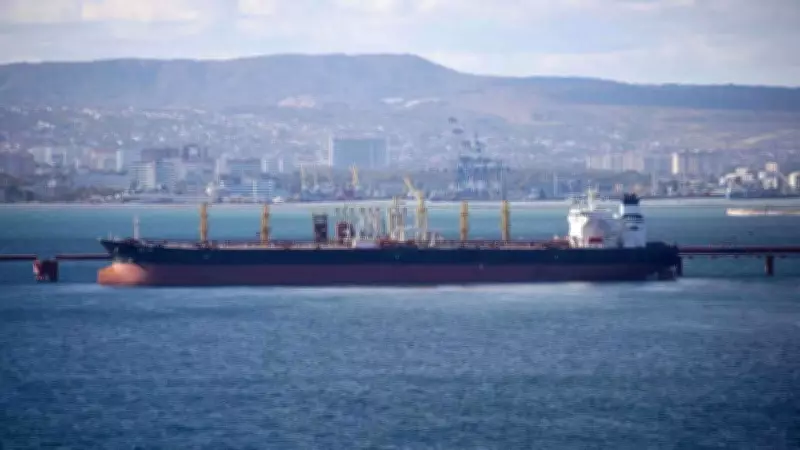
Russian Oil Tanker Approaches Cuba with 730,000 Barrels of Crude Amid US Sanctions
A Russian oil tanker, the Anatoly Kolodkin, is currently navigating toward Cuban waters, carrying a significant cargo of 730,000 barrels of crude oil. This shipment is set to dock at the western port of Matanzas, potentially as early as Monday, in a move that directly challenges the United States' fuel blockade against Cuba. The vessel's journey underscores a critical moment as Cuba grapples with a dire energy shortage that has impacted millions of residents.
Defiance of US Blockade and Cuba's Energy Crisis
The Anatoly Kolodkin, which is under US sanctions, departed from the Russian port of Primorsk on March 8. It was escorted through the English Channel by a Russian navy ship before entering the Atlantic Ocean. As of Sunday, the tanker was reported north of Haiti, making steady progress toward its destination. This shipment marks a pivotal development, as Cuba has not received any oil imports since January, following the US capture of Venezuela's socialist leader Nicolas Maduro, who was a key ally and supplier.
The energy crisis in Cuba has intensified, affecting approximately 9.6 million people. President Miguel Diaz-Canel has implemented strict gasoline rationing measures, leading to reduced public transport and the suspension of some airline flights. Since 2024, the country has experienced seven nationwide blackouts, including two incidents this month alone, highlighting the severity of the situation.

Trump's Response and Political Implications
In a notable statement, former US President Donald Trump addressed the tanker's approach, expressing a lenient stance. "If a country wants to send some oil into Cuba right now, I have no problem with that, whether it's Russia or not," Trump said. He further predicted that the Cuban government would fail "within a short period of time" and reiterated US support for Cuban Americans affected by the communist regime. This reaction contrasts with the ongoing US sanctions and adds a layer of political complexity to the situation.
Expert Analysis and Practical Challenges
Energy expert Jorge Pinon from the University of Texas at Austin provided insights into the shipment's potential impact. He estimated that the crude oil could be converted into approximately 250,000 barrels of diesel, which would be sufficient to meet around 12.5 days of Cuba's energy demand. However, Pinon highlighted a difficult decision facing the Cuban government: "Do I want to generate more electricity so there are less apagones (blackouts)? Or do I want it put in the transportation sector?" This dilemma underscores the broader challenges of resource allocation during the crisis.
In a related development, another vessel, the Hong Kong-flagged Sea Horse, which was reportedly carrying Russian diesel to Cuba, docked in Venezuela instead earlier this week. This shift adds uncertainty to Cuba's energy supply chain.
Logistical Timeline and Future Outlook
Once the Anatoly Kolodkin arrives in Cuba, processing the crude oil is expected to take between 15 to 20 days. An additional 5 to 10 days will be required for refined products to reach end-users, according to experts cited by AFP. This timeline means that relief from the energy crisis may not be immediate, prolonging the hardships faced by Cuban residents.
The shipment symbolizes a potential turning point in Cuba's energy landscape, as it seeks to mitigate power cuts and fuel shortages. However, the long-term effectiveness of this Russian aid remains to be seen, given the ongoing US sanctions and the island's deep-seated economic challenges.






